SOT Events, Edition XVII

Guardians of the Future: Shaping Tomorrow with Generative AI .

For nearly a quarter-century, SOT Events has been at the forefront of conversations that shape the future of society. In the 16th edition in 2023, we initiated a conversation on the transformative power of generative Artificial Intelligence (AI) and its far-reaching impact on the world around us. One year on, for our 17th edition in Karachi, we explore further to see how its role is expanding, from reshaping industries and redefining creativity to challenging traditional notions of responsibility.

As we navigate these shifts, the core theme, Guardians of the Future, takes on new meaning. While AI seems poised to alter every aspect of our lives, it is crucial that we, as individuals and communities, become stewards of this change—mentors, leaders, and advocates who shape a future that is both inclusive and innovative. This event aims to explore how we can responsibly guide the integration of AI into society, ensuring that future generations inherit a world enriched by technology, yet grounded in human values.

Schedule .

Day 1
Saturday, 2 November 2024
11:20 - 11:40 PKT 06:20 - 06:40 GMT
Keynote

Jasmine Hall - Ground Floor
11:45 - 12:35 PKT 06:45 - 07:35 GMT
Panel Discussion

Setting Directions

Read abstract
As artificial intelligence continues to reshape industries and redefine the workforce, it brings vast potential as well as pressing challenges. This panel explores AI’s transformative impact on work, the economy, and society at large, drawing insights from experts in venture capital, AI research, inclusivity, and an AI Bot. While AI’s integration promises increased efficiency and innovation, it also raises significant concerns—particularly for workers struggling to keep pace with rapid technological advancements. These advancements have the potential to widen the gap between highly skilled workers who thrive in this new landscape and those left behind, demanding that we consider how to bridge these divides.

Additionally, as AI-generated content becomes more common, questions about copyright, ownership, and the value of human creativity are being hotly debated. Artists and creators worry about the role of AI in the creative process and the need for ethical guidelines that respect intellectual property rights. This session will examine how we might balance the benefits of AI with a commitment to inclusivity and ethical responsibility.

The conversation will set the tone for SOT 2024, prompting reflection on what a truly inclusive, innovative, and adaptable future could look like.

  1. As technology, particularly AI, transforms industries, which specific skills will define the workforce of tomorrow, and how can we prepare both current and future generations to stay relevant in this shifting landscape?
  2. As technology advances, how might roles in the workforce evolve to balance human skills with AI-driven support, and what opportunities could this open up in both traditional and emerging sectors?
  3. In what concrete ways can technology advance economic independence for marginalised communities, and what specific policies or safeguards are critical to ensure this impact is genuinely inclusive?
  4. How are investment trends reshaping industries today, and what do these shifts mean for traditional career structures? Are we truly investing in sustainable job creation or merely accelerating automation?
  5. With the rise of digital content creation and AI-generated media, how do we preserve human creativity and originality, and what ethical or practical frameworks might be necessary to support this goal?
Jasmine Hall - Ground Floor
14:00 - 15:00 PKT 09:00 - 10:00 GMT 4 parallel sessions
Panel Discussion Unknown Future

AI & The Future of Work: Redefining Skills, Roles, and Opportunities

Read abstract
AI is revolutionising the workplace, transforming traditional job roles and skill requirements.

By automating routine tasks, ideally AI can empower employees to focus on strategic and creative functions, thereby boosting productivity. However it has been argued that high-skilled, high-income workers are most likely to benefit further from it.

The rise of AI necessitates a shift in skill sets, presenting unique opportunities and job roles that were unheard of in the past. At the same time, fears that automation due to AI in the workplace will lead to job loss continue to rise.

This panel discussion focuses on finding ways to balance technical proficiency, critical thinking, emotional intelligence, and adaptability in an AI-driven world. It explores how in this new environment the ability to learn and adapt will be key to future success, and what we can do to prevent inequality that can arise as a consequence.

  1. What are some ways in which the integration of AI into the workplace is disrupting traditional job roles and the required skill sets for employees?
  2. What are some potential challenges and risks associated with relying on AI in the workplace, and how can they be mitigated?
  3. How can individuals and organisations best leverage AI to unlock new opportunities and stay competitive in an AI-driven work environment? How can they remain mindful of AI’s potential to exacerbate inequality?
  4. How can businesses effectively integrate AI into their operations and prepare their workforce for AI integration?
Jasmine Hall - Ground Floor
Fireside Chat Expressive Future

Weaving the Past into the Future: Fashion's Digital Renaissance

Read abstract
As technology and tradition continue to get inextricably intertwined, fashion is at a pivotal crossroads. Social media, influencers, and e-commerce have revolutionised how trends are set and fashion is consumed, reshaping the industry's dynamics and reach.

At the same time, the rise of digital platforms has intensified the debate between fast fashion and sustainable, ethical practices.

This panel reflects on the evolution of the fashion industry in response to these shifts, and the growing demand for transparency and accountability from brands. 

As consumers become more conscious of their purchasing choices, the discussion will explore how the industry is adapting to meet changing expectations while retaining traditional skills. Panellists will explore how to blend the richness of heritage with the innovation of the digital age, and what the future holds for responsible fashion in a digitally-driven world.

  1. Is traditional craftsmanship thriving, surviving, or dying out in the age of digitally-driven fashion? 
  2. What are some ways in which digital platforms transform fashion consumption and what shape is it likely to take in the future?
  3. Are body positivity and inclusivity actually changing the fashion industry or simply amplified on social media?
  4. What is fast fashion? Is it an unavoidable trajectory in the industry or can it be curtailed?
  5. What are some ethical implications of digitally-driven fashion, especially in terms of accessibility, intellectual property, or the loss of traditional craftsmanship?

Aquarius Hall - First Floor
Panel Discussion Balanced Future

Future of Architecture: Sustainable, Smart, and Resilient Designs

Read abstract
Throughout history, architecture has evolved in response to the shifting needs and constraints of societies. Innovations in materials, technology, and construction techniques have empowered architects to create structures that were once unimaginable.

It is argued that traditional architectural design often prioritised aesthetics, while this is less so in today’s landscape. At the same time, there is more awareness of the need for sustainable and eco-friendly practices. Architects today face the challenge of designing flexible spaces that can adapt to the changing needs of society while facing the impact of climate change.

This panel discussion examines ways to integrate adaptability and innovation into architectural design to create sustainable structures that are aesthetically pleasing, meet contemporary demands, and are future-ready.

  1. What is smart building design?
  2. What challenges do architects face in creating sustainable, smart, aesthetic, and adaptable designs?
  3. What factors should be considered when designing structures that are resilient to the impacts of climate change? How can modern-day technology assist in this?
  4. What are some of the innovative materials and construction techniques in architecture that contribute to sustainable and equitable communities?
  5. Does modern architecture need to sacrifice aesthetics in favour of sustainability? Are our fast-paced lives driving the shift towards minimalist, unembellished design?
Sunflower Hall - Ground Floor
Panel Discussion Expressive Future

Memes as a Means of Communication

Read abstract
In the ever-evolving landscape of communication, the 21st century has witnessed the emergence of internet memes as a significant phenomenon. These humorous and often sarcastic snippets of content have become a ubiquitous force in our digital lives, acting as a medium for communication, entertainment, and social commentary.

Memes are deeply embedded in online culture and have played a significant role in creating it, shaping our attitudes and behaviours along the way. At the same time, they have been used to draw attention to issues and individuals, serving to build or destroy reputations in their wake.

This panel explores the various roles memes can play in contemporary society and the need to recognise both, their negative and positive potential in contemporary communication.

  1. Memes have been called ‘fast food media’ in that they are tempting but low in nutritional value - do they serve to dilute or trivialise matters of importance or draw attention to them?
  2. How has the meme culture evolved in Pakistan? Does it reflect the country's unique social, political, and cultural landscape?
  3. What are some ways in which memes shape our attitudes and behaviours in the digital and non-digital landscape?
  4. What is the relationship between memes and popular culture? Does it influence societal norms and values or function primarily as ‘inside jokes’?
Tulip Hall 1 - First Floor
15:10 - 16:10 PKT 10:10 - 11:10 GMT 4 parallel sessions
Panel Discussion Unknown Future

Overcoming the Hype: A Realistic Look at AI's Potential in Education

Read abstract
Artificial Intelligence (AI) claims to be transforming education by enhancing teaching methods, personalising learning experiences, and improving efficiency. It holds the  promise of better learning outcomes through tailored instruction and data-driven insights, yet it also poses significant challenges.

Generative AI can produce inaccurate information, fail to cite or even fabricate sources, and struggles to distinguish between credible and unreliable data. Moreover, AI integration raises privacy concerns, as many educational analytics systems rely on continuous data collection.

There are fears that enthusiasm about AI’s purported benefits can lead to over-reliance on AI-generated content, which may in turn hinder students’ cognitive development and critical thinking skills.

This panel aims to provide a balanced perspective on AI’s benefits and potential risks in education.

  1. How can educators effectively integrate AI tools into their teaching practices without compromising critical thinking skills?
  2. What are some potential risks associated with using AI in educational settings, particularly regarding data privacy and security?
  3. Can we ensure that AI-generated content remains accurate and reliable for educational purposes?
  4. What strategies can educators employ to mitigate the challenges posed by over-reliance on AI technologies?
  5. Are there any ethical considerations - for school administration, teachers, and/or students - when incorporating AI in education?
Jasmine Hall - Ground Floor
Panel Discussion Peaceful Future

Global Threat, Global Response: Combating Cyber Crime

Read abstract
It is said that cyber security is the only field in IT that has not faced a recession. With the introduction of AI In today’s highly connected world, cybercriminals have new ways to exploit vulnerabilities in online systems, impacting governments, businesses, and individuals globally.

With criminals becoming increasingly organised and agile, unique approaches are needed to combat crimes that often transcend national borders, further complicating investigation across jurisdictions.

State institutions and organisations around the world need to factor cybersecurity in their policies, ensuring that it is discussed at the seniormost levels, not left to operating managers alone. How seriously the matter is taken can have a direct impact on how quickly and effectively threats are managed.

The focus of discussion is on understanding the complex arena of cybercrime and finding ways in which to build a more secure cyber world.

  1. What are the most common vulnerabilities and forms of cyber crime that criminals exploit in today’s digital landscape?
  2. What are some ways that law enforcement can track criminals, and does the global nature of cybercrime complicate these efforts or allow for cooperative solutions?
  3. What proactive measures can individuals  and businesses take to protect data from cyber threats?
  4. In what ways does AI and AI generated content affect our understanding of cybercrime, e.g. in the context of identity theft?
  5. How can AI be used to combat cybercrime and how reliable is it?
Aquarius Hall - First Floor
Panel Discussion Peaceful Future

The Hospitality & Tourism Symphony: Orchestrating Guest Journeys

Read abstract
The hospitality sector is an inextricable component of the broader tourism industry. For either to thrive, they must collaborate closely to craft unforgettable guest experiences.

As the tourism industry diversifies by offering different types of tourism experiences - e.g. adventure, eco, medical, and many others - the part that hospitality plays must also adapt accordingly. Factors such as staff training, technology integration, sustainability practices, and community engagement play vital roles in enhancing the guest journey.

By exploring each phase of the guest experience, from research and booking to arrival, stay, and departure, key elements that contribute to a seamless and enjoyable experience can be identified. These in turn, are effective only to the extent that they align with the guests’ expectation of the kind of tourism they seek.

Through expert insights, this candid discussion will focus on the intersection of tourism and hospitality, ways in which the industry in Pakistan has been successful, and where there is room for improvement.

  1. What are the key stages of the guest journey, and how can each be optimised to enhance the overall experience?
  2. What are we doing right in Pakistan with relation to tourism and hospitality, and where do we need to pay more attention?
  3. How can technology be leveraged to improve the synergy between tourism and hospitality? Can we draw more international tourists to Pakistan by using digital platforms more effectively?
  4. How can hospitality businesses effectively integrate sustainability practices without compromising guest satisfaction?
Sunflower Hall - Ground Floor
Panel Discussion Inclusive Future

Reviving Tradition: Empowering Pakistani Artisans and Uplifting Women

Read abstract
Pakistan is home to exquisite artisanship and handicrafts. Women have traditionally participated in cottage industries like carpet weaving, candle making, and handicrafts, allowing them to engage in meaningful work from home.

With the rise of online businesses and handicrafts exhibitions in metropolitan areas, these artisanal products are reaching new markets and generating renewed interest. However, many of these crafts are created by marginalised women artisans in remote areas, who often lack technological access and social outreach, and are therefore vulnerable to exploitation by large corporations or ‘middlemen’.

This panel considers strategies to ensure that artisans in general, and craftswomen in particular, are fairly compensated for their labour, and their due financial rights are recognised and upheld. It will also address barriers to their financial empowerment, focusing on ways to support their journey towards economic independence and sustainable livelihoods through better market access, resources, and recognition of their work.

  1. What are some ways in which we can promote and preserve indigenous crafts while ensuring fair compensation for women artisans?
  2. What challenges do marginalised women artisans face in accessing markets and technology? How are these challenges exacerbated by systemic exploitation?
  3. Can online platforms and exhibitions help increase the visibility of women’s handicrafts? Is there a downside to this?
  4. What are some examples of successful initiatives that have uplifted women artisans and revived local traditions?
  5. What can we be mindful of when purchasing indigenous crafts so that we are not perpetuating exploitation and unfair practices?
Tulip Hall 1 - First Floor
16:20 - 17:20 PKT 11:20 - 12:20 GMT 4 parallel sessions
Panel Discussion Peaceful Future

Global Forces at Play: The Interwoven Landscape of Politics and Economics

Read abstract
Politics and economics remain interconnected, and global trends have always shaped national outcomes. From shifts in political ideologies to economic uncertainties, the delicate balance between governance and market forces has a profound impact on both domestic and international stability.

This discussion looks at the complex dynamics at play, examining how changes in political landscapes—both in Pakistan and globally—affect economic policies and societal well-being. It will explore the role of national governance, international cooperation, and economic strategies in maintaining stability and growth. In doing so it will provide a nuanced look at whether it is possible to strike a balance that honours the voice of the people and remains attentive to the needs and aspirations of the people. 

  1. How do global political shifts influence economic policies and stability in countries like Pakistan?
  2. How can policymakers balance national interests with the need for global cooperation in trade, diplomacy, and economic growth?
  3. In what ways can leaders address the challenges of political polarisation and ensure that economic policies remain responsive to the people's needs?
  4. What impact does populism have on international relations, particularly in terms of trade, diplomacy, and global cooperation?
Jasmine Hall - Ground Floor
Panel Discussion Expressive Future

Canvas for Change: Art as a Catalyst for Social Awareness

Read abstract
Among its other purposes, art serves as a powerful instrument for raising awareness about social issues, fostering dialogue, and inspiring action. Art provides expression for marginalised voices, advocating for social justice, and facilitating positive change. It is a powerful form of communication that resonates across diverse social, cultural, linguistic, ethnic, and other divides.

This panel discussion aims to highlight the role art plays in encouraging collective action against societal injustice. Ultimately, it reveals how art can transform public perception and drive meaningful change, highlighting the crucial role  creativity plays  in social justice movements.

  1. What makes art effective in raising awareness about social issues and inspiring community action?
  2. How do different artistic mediums (e.g., painting, design, performance, photography, digital art) contribute uniquely to social advocacy?
  3. What challenges do artists face when addressing controversial social topics through their work?
  4. What role does historiography play in the art and social justice nexus?
  5. How can art be used to raise awareness about social issues among communities with limited access to education or resources?
Aquarius Hall - First Floor
Workshop Balanced Future

Art of Living

Read abstract
In this session participants will discover the power of breath to relieve stress, ease anxiety, and boost your immune system. Together we will bring energy, enthusiasm and dynamism in action through interactive and experience based learnings.

The session will focus on bringing the mind into the present, not as a concept but as a conscious reality. To carry out this formidable work we turn to practices of breathing, yoga, and meditation. These practices free the mind and body of stress and strain, tension and toxins, drastically improving health. By centering the self, a sense of inner calm prevails, which unlocks true freedom and real happiness, as well as enabling harmonious social relationships. Continued practice enables the opening of a deeper spiritual dimension.
Facilitator(s) Shahnaz Minallah
Sunflower Hall - Ground Floor
Keynote Balanced Future

Leading Innovation from the Middle

Read abstract

Most policies never get implemented.  Innovation is too complex an outcome to be driven from the top. How do we achieve effective implementation and dynamic innovation?


This keynote address, based on Andy Hargreaves’s new book, shows the way – leading from the middle (LfM). Drawing on his research on developing networks and local collaborations in three countries and on creating a network of 40 innovative schools across Canada,Mr Hargreaves shows how leaders operating from the middle of schools and school networks have unique shared powers to initiate, implement and spread effective innovation. 


But how can we lead from the people when we’ve been used to taking directions from the top? What do you do when you’re pulled in two directions? How do you lead people up above you as well as colleagues beside you? What do you do when you face obstacles or are confronted with paradoxes where there’s no right answer about what to do? This keynote sets out some of the essential skills of LfM so that participants will learn not only what to do in relation to LfM but also how to do it.

Tulip Hall 1 - First Floor
Day 2
Sunday, 3 November 2024
10:00 - 11:00 PKT 05:00 - 06:00 GMT
Awards

Beaconhouse Old Students Society - Distinguished Alumni Awards 2024

Read abstract
This event celebrates the outstanding achievements of Beaconhouse alumni across diverse fields.
Jasmine Hall - Ground Floor
11:00 - 12:00 PKT 06:00 - 07:00 GMT 4 parallel sessions
Lightning Talks Inclusive Future

Agents of Change: Stories of Impact in Action

Read abstract
In this lightning talk, speakers share compelling stories that highlight the transformative power of social development in our community. Each narrative showcases initiatives and solutions that can drive meaningful change, from empowering marginalised groups to fostering equitable practices. 

These changemakers embody resilience, offering valuable insights into challenges they faced and effective strategies that helped them succeed.

This session celebrates how we can all contribute to social development in our own spheres, inspiring a better future.
Jasmine Hall - Ground Floor
Panel Discussion Unknown Future

Cosmetic Surgery Unmasked: Delving into Its Psychological Impact

Read abstract
Aesthetic procedures and cosmetic surgery are rapidly gaining mainstream popularity. Although expensive, treatments have become more accessible due to increased acceptance and widespread information, with the ‘ideal’ driven largely by celebrities, social media, and influencers.

While the physical results of these procedures are often emphasised, it is crucial to consider the psychological effects and emotional challenges they present. Some patients experience improved confidence post-surgery, but some studies indicate potential increases in depressive and anxiety symptoms.

The pressure to conform to specific beauty standards create unrealistic expectations and body image dissatisfaction. For some, this leads to repeated procedures that end up distorting appearance, often moving further from the desired outcomes and resulting in deeper emotional struggles.

The panel sheds light on these issues through expert insights, fostering a deeper understanding of the psychological dimensions of aesthetic procedures.

  1. How has social media influenced the rise in demand for aesthetic procedures? Does it shape unrealistic beauty standards more than traditional media ever did?
  2. While some patients report improved self-esteem post-procedure, what underlying psychological vulnerabilities can make others more susceptible to negative emotional outcomes?
  3. What ethical responsibilities do practitioners have in managing patient expectations, particularly when procedures are framed as a path to increased self-worth or social acceptance?
  4. To what extent do aesthetic procedures address body image concerns, and when might they contribute to a cycle of dissatisfaction and repeated interventions?
  5. How can professionals balance a patient’s desire for change with the need for mental well-being, especially if a request for procedures stems from societal pressure rather than personal desire?
Aquarius Hall - First Floor
Panel Discussion Unknown Future

Breaking the Mould: The Future of Education in a Virtual World

Read abstract
In many parts of the world, the rise of virtual and immersive technologies is reshaping the educational landscape, challenging traditional methods and creating new opportunities for learning.

Virtual classrooms, augmented reality, and digital simulations offer students engaging and interactive experiences, seemingly making education more accessible and flexible than ever before.

However, these advancements come with their own challenges, such as the digital divide, the need for teacher training, and the potential loss of personalised learning and interaction.

This panel will explore whether and how virtual education can break the mould of conventional schooling while addressing the barriers to widespread adoption.

  1. Can virtual education enhance student engagement and foster deeper learning experiences?
  2. What are the main challenges educators in Pakistan face in transitioning to virtual environments, and how can they be overcome?
  3. How can schools and policymakers ensure equitable access to virtual learning tools and technologies for all students?
  4. Are fears about the decreasing role human interaction plays in a virtual learning world justified? How can we retain the human element?
Sunflower Hall - Ground Floor
Panel Discussion Balanced Future

Sustainability Reboot - #Powered by AI

Tulip Hall 1 - First Floor
12:10 - 13:10 PKT 07:10 - 08:10 GMT 4 parallel sessions
Panel Discussion Expressive Future

Music in the Age of Algorithms: How AI is Revolutionizing Music Production

Read abstract
AI and machine learning have transformed the music industry, making music creation more accessible than ever. Recent advancements have enabled the production of ambient tunes, royalty-free music, and automated audio mixing.

The true strength of AI lies in its ability to analyse vast data sets, identify patterns, and predict trends, empowering producers and marketers to craft engaging content.

However, these developments also raise critical regulatory challenges, particularly regarding copyright ownership and the classification of AI-generated music, and invite deeper reflection on whether the widespread use of AI risks diluting the emotional depth and 'soul' that have traditionally defined music as an art form. As AI takes a more prominent role in music creation, some question whether the unique human touch that connects listeners to the heart of music is being lost.

This panel explores the evolving landscape of AI in music, emphasising the urgent need for new regulatory frameworks while balancing the undeniable benefits these technologies provide with the preservation of music's artistic essence.

  1. How has AI changed the music industry in Pakistan and abroad?
  2. Can AI-generated music ever truly replicate the human touch in music, or does it risk creating a more formulaic, less expressive soundscape?
  3. What opportunities and threats does AI present to musicians and music as an art form?
  4. With the rise of AI-generated music, what challenges do artists face in terms of copyright ownership and intellectual property, and how might this affect creativity in the industry?
  5. How can we effectively classify AI-generated music to ensure retention of talent, fair recognition, and compensation for creators?
  6. Can AI help revive or preserve some of the musical traditions that would otherwise be dying out?
Jasmine Hall - Ground Floor
Panel Discussion Inclusive Future

Beyond the Glass Ceiling: Women Redefining Success Across Industries

Read abstract
Many women encounter a "glass ceiling" in their careers—an invisible yet pervasive barrier that restricts their progression to senior leadership roles. Despite their efforts to transform workplace dynamics and push for equity, persistent challenges remain.

These include systemic issues like pay disparities, insufficient parental leave policies, and the absence of genuine support from colleagues and supervisors.

Even as women continue to break new ground, the underlying biases and structural limitations within organisations often slow their progress, demanding a more fundamental shift in workplace culture and policies.

This panel shares personal stories and insights on overcoming these barriers and redefining success, providing valuable perspectives on how women are not only breaking through the glass ceiling but also reshaping it to foster a more equitable workplace for future generations.

  1. What systemic biases and cultural norms remain the biggest obstacles for women aiming for leadership roles, even in progressive industries?
  2. How can mentorship programs move beyond symbolic support to create tangible opportunities and career paths for women?
  3. In what ways can organisations challenge their own biases and reshape workplace culture to genuinely support women's advancement, rather than just paying lip service to diversity?
  4. How can men actively contribute to breaking down the glass ceiling, both within organisational structures and in their personal support roles?
  5. To what extent does the push for work-life balance hinder or support women’s career ambitions, and how can organisations better accommodate this balance without penalising women professionally?
Aquarius Hall - First Floor
Workshop Balanced Future

Numerical Adventures: Sharing the Magic & Beauty of Mathematics

Facilitator(s) Kate Frood
Sunflower Hall - Ground Floor
Panel Discussion Balanced Future

ڈيجيٹل عہد ميں اردو: مصنوعي ذہانت اور عالمگيريت کے زيرِ اثر ارتقا

Read abstract
اکيسويں صدي اور ڈيجٹل دور نے باہمي روابط کے لئے زبان کے استعمال کو يکسر بدل ديا ہے? اس کے ساتھ ساتھ يہ اس بات پر بھي اثر انداز ہوئے ہيں کہ زبان کو محفوظ کيسے رکھا جائے? بھرپور ادبي ورثے اور ثقافتي اہميت کي حامل زبان اردو تاريخ کے اس دہانے پر کھڑي ہے کہ جہاں گلوبلائزيشن اور آرٹيفيشل انٹيليجنس يعني  مصنوعي ذہانت (اے آئي) لساني منظر نامے کو نئي شکل دے رہے ہيں? 

يہ پينل اس موضوع پر تبادلہ خيال کري گا کہ  اردو کس طرح دور حاضر اور ٹيکنالوجي کي تيز رفتار ترقي کے ساتھ ڈھل رہي ہے، خاص طور پر AI سے چلنے والے لينگويج ٹولز کا اردو پر کيا اثر ہو رہا ہے، اور کس طرح گلوبلائزيشن اس کے استعمال اور بقا کو متاثر کرتي ہے? اس مباحثہ  ميں اردو کي ڈيجيٹل ترقي کے ليے اے آئي کے پيش کردہ سہوليات، اس کي ثقافتي اہميت کو برقرار رکھنے کے چيلنجز، اور اس تاريخي اہميت کي حامل زبان کے مستقبل کي تشکيل ميں عالمي پليٹ فارمز کے کردار کا جائزہ ليا جائے گا?

  1. آرٹيفيشل انٹيليجنس کے عروج نے، خاص طور پر ترجمہ اور صوتي ٹيکنالوجيز، اور ڈيجيٹل دنيا ميں اردو کے استعمال کو کيسے متاثر کيا ہے؟
  2. کيا اے آئي  اردو کي ادبي اور ثقافتي ساکھ  کو محفوظ رکھنے ميں مدد کر سکتا ہے، يا   مشين  لرننگ کي افاديت بڑھانے کے لئے اردو ميں ہونے والي تبديلي اس کے اثر کو ذائل کر دے گي؟
  3. ڈيجيٹل مواد  کے استعمال  ميں اردو بولنے والوں کو کن اہم چيلنجز کا سامنا ہے، اور اے آئي اور مشين لرننگ ان رکاوٹوں کو کيسے دور کر سکتے ہيں؟
  4. بين الاقوامي ڈيجيٹل اسپيس ميں اردو کي لساني سالميت پر سمجھوتہ کيے بغير اسے فروغ دينے اور اسے محفوظ رکھنے کے ليے ٹيکنالوجي کے عالمي رجحانات سے کيسے فائدہ اٹھايا جا سکتا ہے؟  گلوبلائزيشن کے زير اثر تبديلي اور انگريزي زبان کے مواد کا غلبہ اردو کو کيسے متاثر کرتا ہے، خاص طور پر نوجوانوں ميں؟
Tulip Hall 1 - First Floor
13:20 - 14:20 PKT 08:20 - 09:20 GMT 4 parallel sessions
Panel Discussion Expressive Future

Beyond Likes & Followers: The Power and Impact of Young Influencers

Read abstract
We are currently in a time where social media shapes public discourse, and young influencers have emerged as powerful cultural figures. These digital creators, often with massive followings, wield significant influence over how trends are set, products are consumed, and societal values are interpreted.

An influencer's reach extends beyond mere popularity—they are seen as relatable role models who can shape perceptions of success, beauty, and even activism. Yet, with this power comes the responsibility to balance authenticity with commercial interests, a challenge that can define their impact on the community.

This panel examines the rise of influencers and their evolving role in shaping culture, consumer behaviour, and social dialogue. It explores how creators can leverage their platforms to promote meaningful change and elevate underrepresented voices while navigating the pressures of brand partnerships and audience expectations. The discussion aims to uncover both the potential and the pitfalls of this digital influence, asking what it means to lead with purpose in the world of likes and followers.

  1. How do young influencers shape not just consumer behaviour but the very cultural norms and aspirations of their followers, particularly among the youth?
  2. What are the ethical responsibilities of influencers to their followers?
  3. To what extent do commercial interests and sponsorships compromise the authenticity and integrity of influencers' content, and how can they maintain a balance between profitability and genuine engagement?
  4. In what ways can influencers amplify underrepresented voices and issues on their platforms without being perceived as performative or opportunistic?
Jasmine Hall - Ground Floor
Panel Discussion Unknown Future

Breaking Barriers: AI, Access, and the Healthcare Crisis

Read abstract
With growing disparities in healthcare availability and rising costs, AI has the potential to bridge critical gaps by enabling remote diagnostics, personalised treatments, and data-driven decision-making. However, challenges like limited technological access, data privacy, ethical concerns, and the need for equitable implementation cause hurdles in its large-scale adoption.

Furthermore, AI's role in predictive healthcare analytics and early disease detection offers the potential to shift the focus from reactive to preventive care, significantly reducing long-term healthcare costs. To fully realise these benefits, it is essential to build robust infrastructures that support continuous learning, ensuring that AI systems evolve to meet the needs of all patients.

This panel shares insights on developing ethical guidelines and policies to ensure equitable access to AI-driven healthcare solutions, paving the way for a more inclusive and efficient healthcare system.

  1. Can AI truly transform access to healthcare for underserved populations, or do existing technological and infrastructure gaps risk widening the disparity between those with and without access?
  2. How can AI not only enhance diagnostic accuracy but also ensure that such advancements are accessible and affordable to marginalised communities?
  3. What specific regulatory frameworks should policymakers establish to balance the potential of AI in healthcare with concerns over data privacy, bias, and ethical use?
  4. As AI continues to evolve, which emerging technologies hold the most promise for shifting healthcare from a reactive to a preventive model, and what barriers must be overcome to implement them effectively?
Aquarius Hall - First Floor
Debate Balanced Future

International Admissions Offer the Best Future Opportunities for Our Students

Read abstract
Proponents argue that studying abroad provides students with unmatched opportunities for academic growth and career advancement. International education exposes students to diverse cultures, global perspectives, and access to cutting-edge research, which can provide a competitive edge in the global job market. These experiences, combined with the prestige of international degrees, significantly enhance employability and open doors to a wide array of career paths.

Opponents, however, contend that Pakistan's top educational institutions can offer a similar level of quality education at a fraction of the cost. They argue that local universities foster strong networks within the country’s professional landscape, preparing students to contribute directly to Pakistan’s growth and development. Additionally, opponents raise concerns about the risk of brain drain, where talented individuals choose to remain abroad, depriving the country of their skills and expertise. They question whether the financial burden of studying abroad is truly justified, especially when local programmes can provide a solid foundation tailored to the region’s specific needs.

This debate elaborates on both perspectives, questioning whether the allure of international education truly outweighs the benefits of studying closer to home.
Sunflower Hall - Ground Floor
Panel Discussion Inclusive Future

Rights Denied: The Humanitarian Crisis of Pakistan's Out-of-School Children

Read abstract
Pakistan faces a severe humanitarian crisis, with millions of out-of-school children deprived of their fundamental right to education and a brighter future. This alarming situation arises from various factors, including poverty and cultural norms that prioritise labour over learning.

Girls are especially affected, often facing discrimination and societal pressures that limit their access to education. The repercussions of this crisis extend beyond individual potential, hindering national development and perpetuating cycles of poverty and inequality.

In this session, experts weigh in on the reasons behind this crisis, emphasising the role of societal attitudes in creating an environment that values education, particularly for girls.

It also discusses how  the government, international community, and society can find ways to work together to introduce inclusive policies, raise awareness, and provide the necessary resources to address this challenge.

  1. Why has Pakistan struggled to address the issue of out-of-school children effectively for over 75 years, despite various policies and international commitments?
  2. What structural changes are needed in government policies to tackle deep-rooted barriers that keep millions of children, especially girls, out of school?
  3. How can targeted interventions address the specific challenges faced by girls in accessing education, beyond just increasing enrollment rates?
  4. What role can the private sector, civil society, and international organizations play in reducing the reliance on child labour and changing societal norms that prioritise immediate economic gain over long-term educational investment?
  5. How can the cycle of poverty be broken by ensuring education access for out-of-school children, and what innovative approaches could be implemented to make education more accessible and appealing to marginalised families? Is a lack of perceived value or appeal a barrier at all?
Tulip Hall 1 - First Floor
14:30 - 15:30 PKT 09:30 - 10:30 GMT 4 parallel sessions
Panel Discussion Expressive Future

The Screen Effect: Media’s Role in Shaping Culture and Perspectives

Read abstract
The media has long been a significant cultural force, shaping societal values, norms, and perceptions. From reflecting social issues such as family dynamics, gender roles, and class struggles, to influencing fashion, language, and even personal aspirations, media is a mirror to society while also directing it.

In Pakistan, television dramas in particular  shape perceptions and perspectives. In this landscape, the role of writers, producers, directors, and actors becomes instrumental in reinforcing or challenging stereotypes and in portraying sensitive issues like domestic violence, mental health, women's rights, child rights, and family dynamics. This includes knowing when to treat serious issues with a light touch.

This panel looks at Pakistani media and its response to both local and global influences, and explores its potential as a tool to promote positivity and raise a voice on social issues. It also assesses the role of digital platforms in expanding the reach and consumption of Pakistani media, as it continues to shape individual and collective perspectives across the nation and beyond.

  1. How do mainstream television dramas reflect and reinforce societal stereotypes? In what way has this changed since the renowned TV dramas of early PTV?
  2. What unique role can television play in raising awareness about critical social issues, and how can creators balance this with the need for broad audience appeal?
  3. To what extent do content creators and networks have a responsibility to elevate cultural and intellectual standards through their storytelling?
  4. How do cultural contexts influence the reception and interpretation of television narratives?
Jasmine Hall - Ground Floor
Panel Discussion Peaceful Future

Breaking the Silence: Addressing Harassment and Abuse in Society

Read abstract
Harassment and abuse remain pervasive societal issues that frequently go unaddressed. Many victims  refrain from speaking out due to fear and stigma.

Harassment extends beyond physical contact to include verbal abuse, threats, and other forms of mistreatment; these harmful behaviours can manifest in various environments, including workplaces, educational institutions, and public spaces, impacting women, men, and children.

This panel discussion examines the multifaceted nature of harassment and abuse, and explores strategies for prevention, support, and accountability. By raising awareness and creating the possibility of open dialogue, we can work together to cultivate a culture of respect and equality.

  1. What are the key factors that enable harassment and abuse in different environments?
  2. How can we create safe spaces for survivors to come forward and share their experiences without fear of stigma or retaliation?
  3. What effective strategies and policies can be implemented at national and organisational levels  to foster a culture of respect and accountability?
  4. How can education and training programmes be designed to raise awareness about the different forms of harassment and abuse?
Aquarius Hall - First Floor
Workshop Unknown Future

Sustainable Science: Building a Greener Future

Read abstract
In this interactive 60-minute workshop, participants will explore innovative strategies to integrate sustainability concepts into the curriculum. They will engage in hands-on activities and collaborative discussions designed to inspire and equip them with practical tools for fostering environmental awareness and action among students.

The workshop will cover:
  • Key Concepts of Sustainability and the importance in education
  • Designing and implementing Green Science Projects that promote environmental stewardship
  • Inquiry-Based Learning, exploring sustainability issues encouraging students to ask questions, conduct experiments, and draw evidence-based conclusions
  • Cross-Curricular Connections by  integrating sustainability with other subjects to provide a holistic learning experience
  • Community Involvement with strategies for engaging students in local environmental initiatives and nurturing a sense of global citizenship

By the end of the session, participants will have a toolkit of resources and ideas to create a greener future through sustainable science education, empowering their students to become proactive environmental advocates.
Facilitator(s) Nele Noe
Sunflower Hall - Ground Floor
Panel Discussion Inclusive Future

Beyond Labels: Celebrating Diverse Identities

Read abstract
In Pakistan, where traditional norms often dictate narrow definitions of identity, the transgender community has long been subject to societal exclusion, reducing their identity to a singular, oversimplified label.

Despite being recognised under Pakistani law, transgender individuals still face considerable challenges in terms of acceptance, access to education, employment opportunities, and healthcare.

While significant strides have been made in recent years, including legal reforms and increased visibility in media and public discourse, much work remains to ensure their full inclusion and recognition as equal citizens.

This panel highlights the legal, social, and economic struggles faced by transgender individuals and underscores the significance of treating them as equal citizens. It calls for action to create an inclusive society where every individual, particularly transgender people, can live with dignity, respect, and equality.

  1. What are the key legal and policy barriers that continue to hinder the full inclusion of transgender individuals in Pakistan, despite recent reforms?
  2. How can media and public discourse challenge societal stereotypes and broaden the narrative around transgender identities?
  3. What steps can be taken to improve access to education, healthcare, and employment opportunities for transgender individuals?
  4. How can we promote a more nuanced understanding of gender identity in Pakistan, encouraging acceptance of diverse identities, pronouns, and expressions while respecting cultural sensitivities and values?
Tulip Hall 1 - First Floor
15:40 - 16:40 PKT 10:40 - 11:40 GMT 4 parallel sessions
Panel Discussion Unknown Future

AI and the Evolution of High-Stakes Testing

Read abstract
Artificial intelligence is reshaping the future of educational assessments, offering a shift from rigid, one-size-fits-all testing methods to more dynamic, personalised evaluations. Through AI, assessments can adapt in real time to a student’s strengths and weaknesses, providing a more accurate picture of their learning needs and progress.

However, as AI becomes more integrated into high-stakes testing—such as university entrance exams or professional certification tests—serious concerns arise around data privacy, algorithmic transparency, and the risk of inherent biases influencing outcomes. These challenges require careful navigation to ensure that AI-driven assessments do not replicate or amplify existing inequities - linguistic, ethnic, and racial, among others - within the education system.

This panel discussion looks at the transformative potential of AI in high-stakes testing, exploring how it can create a more adaptive, student-centred approach while addressing the ethical dilemmas and technical hurdles involved. The conversation seeks to uncover how AI can be harnessed to enhance fairness and accuracy, ultimately aiming to redefine how we evaluate student success.

  1. How can AI be used to personalise assessments to meet the students’ individual needs?
  2. What are some ethical implications of using AI in high-stakes testing, and how can fairness and equity be ensured?
  3. What are the potential implications of AI - both positive and negative - on the role of teachers and educators in the assessment process?
  4. Can AI-powered assessments be aligned with educational standards and curriculum goals?
  5. What do we stand to lose or gain by incorporating AI when it comes to the broader, more philosophical purposes of education and high-stakes testing?
Jasmine Hall - Ground Floor
Panel Discussion Expressive Future

The Winning Mindset: Stories of Dedication, Challenges, and Triumph in Sports

Read abstract
An athlete's mindset often defines success or failure. While talent, skill, and physical ability are essential, it is the mental attitude that elevates performance to extraordinary levels. Whether on the field, court, or track, athletes must navigate a landscape filled with intense competition, high stakes, and unpredictable as well as inevitable setbacks. The journey to success in sports is rarely linear, with moments of triumph often forged through resilience, discipline, and an unwavering belief in victory.

This panel shares inspiring stories of both success and failure, showcasing how athletes conquer significant physical and mental challenges, illustrating how obstacles are integral to their journey. Through patience and determination, these athletes demonstrate that setbacks can be transformed into stepping stones. This perseverance not only shapes individual triumphs but also inspires others to reach their full potential.

  1. How do athletes maintain their drive and motivation while overcoming adversity and setbacks?
  2. What are the most common challenges faced by athletes, both physical and mental as well as systemic?
  3. What role does support from coaches, teammates, and family play in overcoming challenges?
  4. How can the sports community in Pakistan better support athletes in developing their skills and mental resilience?
Aquarius Hall - First Floor
Spotlight and Strategy Expressive Future

From Sparks to Startups: Young Innovators and the Future of Incubation

Read abstract
With access to unprecedented resources, knowledge, and networks, today’s youth are poised to drive the next wave of innovation. They have bold ideas that can be viable startups disrupting traditional industries, and the drive to address pressing global challenges. From leveraging new technologies to creating socially conscious enterprises, young entrepreneurs are redefining what it means to be a leader in the modern business world.

This panel discusses the unique challenges young founders face, from securing early-stage funding to scaling their ideas in competitive markets. It highlights how youth-driven innovation can lead to solutions that are not only profitable but also impactful.

The session also features student entrepreneurs from SparkTank, Pakistan’s first business incubator for 10 to 19-year-olds.These dynamic innovators share their experiences, highlighting both the triumphs and challenges of navigating the startup landscape.

  1. What key factors enable young innovators to turn bold ideas into successful startups that disrupt traditional industries?
  2. What challenges do young entrepreneurs face in securing early-stage funding, and how can they overcome these barriers?
  3. How can youth-driven innovation balance profitability with social and environmental impact, and what examples demonstrate this balance?
  4. What support systems, such as mentorship or education, are most crucial for young founders as they scale their startups in competitive markets?
Sunflower Hall - Ground Floor
Panel Discussion Balanced Future

Sustainability: Duty or Opportunity for Businesses?

Read abstract
As it becomes increasingly difficult to ignore environmental issues and their associated social challenges, the role of sustainability in business strategy has never been more critical. Consumers, investors, and governments alike are calling for greater corporate responsibility, pushing companies to rethink their environmental and social impact. Yet, the dual perspective of sustainability as both moral duty and strategic opportunity remains a topic of debate.

Panellists will discuss the ethical imperatives driving companies to adopt responsible practices in response to stakeholder expectations, and highlight how sustainability can spur innovation, open new markets, and enhance brand image, positioning businesses for long-term success. By integrating sustainability into core strategies, companies can fulfil their responsibilities while increasing profitability.

  1. What ethical responsibilities do businesses have regarding sustainability, and in what ways should these responsibilities shape corporate decision-making?
  2. How can companies effectively balance short-term financial goals with long-term sustainability commitments?
  3. In what ways can sustainable practices lead to innovation and new business opportunities?
  4. What role do stakeholders play in influencing a company’s approach to sustainability? How can they advocate for meaningful steps that go beyond lip service?
Tulip Hall 1 - First Floor
16:45 - 17:05 PKT 11:45 - 12:05 GMT
Keynote Peaceful Future

Measuring the Impact of Professional Development: How Do We Know If It Makes a Difference?

Presenter Dr Thomas Guskey
Jasmine Hall - Ground Floor

Our Speakers .

Wajid Jawad

Wajid Jawad

President, Anjuman Taraqqi-e-Urdu Pakistan<br/> Industrialist & Former Minister
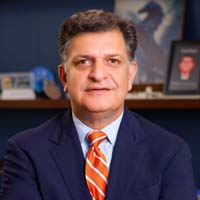
Ali Raza

Ali Raza

Group Director, Beaconhouse
Nassir Kasuri

Nassir Kasuri

Executive Dir., International Division, Beaconhouse

Dr Pervez Hoodbhoy

Dr Pervez Hoodbhoy

Professor, Physicist, Mathematician & Founder, Black Hole

Sheema Kermani

Sheema Kermani

Classical Dancer & Founder, Tehrik-e-Niswan Cultural Action Group

Jehan Ara

Jehan Ara

Founder & CEO, Katalyst Labs
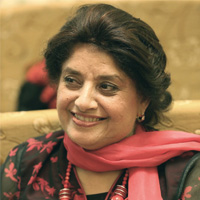
Nigar Nazar

Nigar Nazar

Cartoonist
Deepak Perwani

Deepak Perwani

Fashion Designer
Nafisa Shah

Nafisa Shah

Women Rights Advocate & Member, National Assembly of Pakistan

Kasim Kasuri

Kasim Kasuri

Chair SOT, CEO Beaconhouse
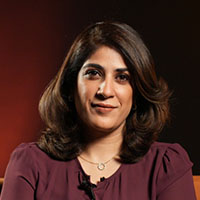
Amber Rahim Shamsi

Amber Rahim Shamsi

Journalist & Pakistan Editor, Nukta
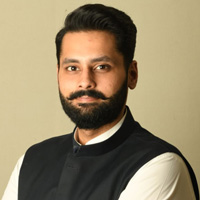
Jibran Nasir

Jibran Nasir

Political Activist & Advocate Supreme Court of Pakistan
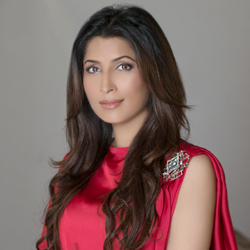
Vaneeza Ahmad

Vaneeza Ahmad

Model & Actor
Zohaib Kazi

Zohaib Kazi

Artist, Producer, Director & Writer

Tapu Javeri

Tapu Javeri

Fashion & Art Photographer
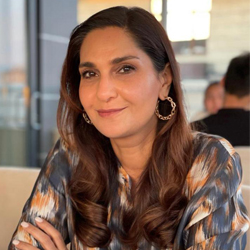
Iram Naqvi

Iram Naqvi

Psychologist & GM, Student Wellbeing Programme, Beaconhouse
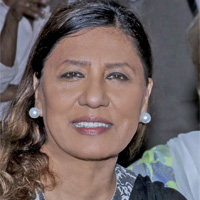
Imrana Tiwana

Imrana Tiwana

Architect, Environmentalist & Sustainable Development Specialist

Tina Sani

Tina Sani

Ghazal Singer
Isfundiar Kasuri

Isfundiar Kasuri

CEO, NewGlobe
Uzma Yousuf

Uzma Yousuf

Country Director, Pakistan Intl. Education, Cambridge University Press & Assessment
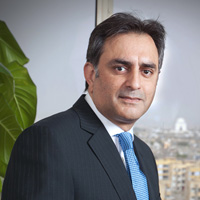
Arshad Saeed Husain

Arshad Saeed Husain

Managing Director, Oxford University Press
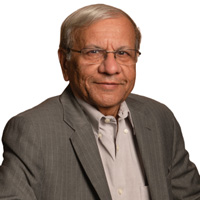
Kaiser Bengali

Kaiser Bengali

Economist, Researcher & Policy Adviser

Neshmia Salahuddin

Neshmia Salahuddin

Co-founder, NiaMia

Amneh Shaikh-Farooqui

Amneh Shaikh-Farooqui

Social Entrepreneur, Author, Leadership Coach & CEO, Polly and Other Stories

Iain Riley

Iain Riley

Head of School, TNS Beaconhouse DHA

Dr Asha Bedar

Dr Asha Bedar

Clinical Psychologist, Trainer & Researcher
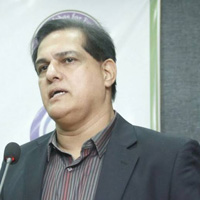
Rishad Mahmood

Rishad Mahmood

Sports Editor
Naeem Zamindar

Naeem Zamindar

Entrepreneur, Investor & Founder, Neem

Tariq Alexander Qaiser

Tariq Alexander Qaiser

Architect, Author & Environmental Filmmaker
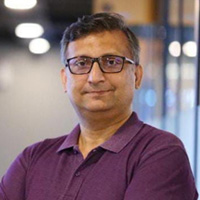
Dr Athar Osama

Dr Athar Osama

Founder, INNOVentures Global (Pvt) Ltd. & World Science Collaborative Ltd.

Ahmad Shabbar

Ahmad Shabbar

Environmental Activist & Founding CEO, GarbageCAN, The Environmental & Climate REACH

Asma Shah

Asma Shah

Social Impact Entrepreneur & Founder, GoFlour Bakery & Training Centre

Rai M. Azlan

Rai M. Azlan

Digital Media & Communications Strategist
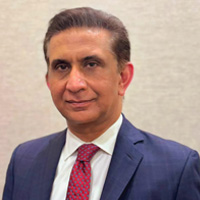
Humayun Bashir Tarar

Humayun Bashir Tarar

Senior Police Officer & Adviser, Foreign, Commonwealth & Development Office Project
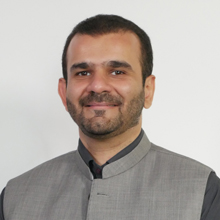
Umar Nadeem

Umar Nadeem

CEO, Tabadlab
Jazib Zahir

Jazib Zahir

Director, LUMSx & LUMS Centre for Entrepreneurship
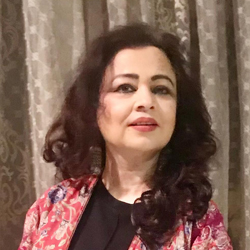
Shaiyanne Malik

Shaiyanne Malik

Social Entrepreneur, Trainer & Fashion Designer
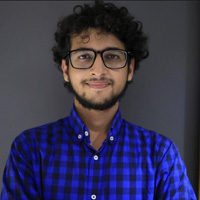
Shoaib Arshad

Shoaib Arshad

Founder & Executive Director, Funoon Forum

Tazeen Hussain

Tazeen Hussain

Actor, Associate Professor, Habib University & Founder, The Karachi Collective

Zahra Sabri

Zahra Sabri

Lecturer, Habib University
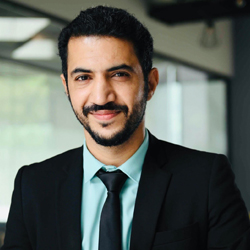
Sikander Bizenjo

Sikander Bizenjo

Dev. Economist & External Engagements Mng., Engro & Co-founder Balochistan Youth Action Comm.

Shanzay Subzwari

Shanzay Subzwari

Visual Artist, Illustrator & Host
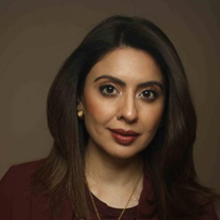
Sidra Iqbal

Sidra Iqbal

Journalist & TV Host
Sadia Bashir

Sadia Bashir

Founder, PixelArt Games Academy

Taimoor Salahuddin (Mooroo)

Taimoor Salahuddin (Mooroo)

Musician, Filmmaker & Youtuber

Dr Zehra Jamil

Dr Zehra Jamil

Assistant Professor, Aga Khan University
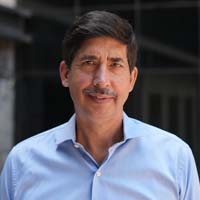
Dr Sohail Naqvi

Dr Sohail Naqvi

Dir. EdTech, TMC Pvt. Ltd & Chairperson, Knowledge Streams (Pvt.) Ltd.
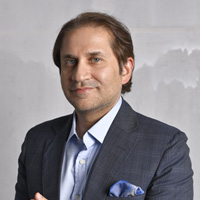
Faisal Aftab

Faisal Aftab

Founder & CEO, Zayn VC
Dr Yaqoob Khan Bangash

Dr Yaqoob Khan Bangash

Historian & Dean, Faculty of Humanities & Social Sciences, IT University

Maryam Ali

Maryam Ali

Student, Nixor College
Kathryn Booth

Kathryn Booth

Director School Qualifications, Pearson Middle East

Asma Chishty

Asma Chishty

Editor In Chief, Destinations
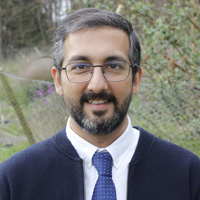
Omar Maniar

Omar Maniar

Community Protection Adviser, UK-Pakistan Serious Crime & Law Enforcement Programme

Haseeb Gardezi

Haseeb Gardezi

Executive Director, Hospitality & Education Division, Hashoo Group

Rizwan Beyg

Rizwan Beyg

Founder, Bunyyaad
Dr Asif Khatri

Dr Asif Khatri

Plastic & Reconstructive Surgeon

Maliha Zia Lari

Maliha Zia Lari

Lawyer & Women’s Rights Activist

Abdul Qadir

Abdul Qadir

Digital Creator
Zuhaib Shaikh

Zuhaib Shaikh

Leadership Coach
Dabeer Hemani

Dabeer Hemani

Principal Partner, Open Door Design Studio

Maliha Aziz Jamil

Maliha Aziz Jamil

Fashion Designer & Brand Manager, Farah Talib Aziz

Maryam Saleem

Maryam Saleem

Founder, GoClean
Usman Nazir

Usman Nazir

Assistant Professor, Beaconhouse National University
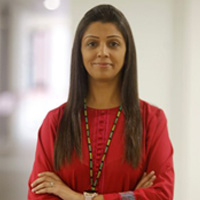
Dr Zahra Hoodbhoy

Dr Zahra Hoodbhoy

Physician & Associate Professor, Agha Khan University

Mehr F Husain

Mehr F Husain

Journalist, Author, Publisher & Sustainability Consultant

Faiqa Riaz

Faiqa Riaz

Olympic Athlete
Shahzadi Rai

Shahzadi Rai

Trans Rights Activist & Motivational Speaker

Shaista Ayesha

Shaista Ayesha

CEO, Seed Ventures
Izza Khan

Izza Khan

HR Professional
Adeel Azhar

Adeel Azhar

Public Speaker, Corporate Trainer, & Seasoned Radio Host
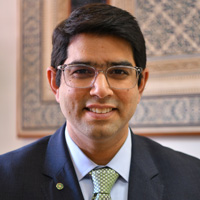
Dr Adil Haider

Dr Adil Haider

Dean, Aga Khan University Medical College

Kenneth Deane

Kenneth Deane

Team Lead, Adam Smith International

Bilal Ali

Bilal Ali

Singer & Songwriter
Mohyuddin Wani

Mohyuddin Wani

Secretary, Ministry of Federal Education & Professional Training

Aleena Nadeem

Aleena Nadeem

CEO & Founder , EduFi Pvt. Ltd.
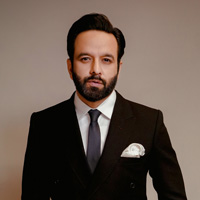
Mohsin Naveed Ranjha

Mohsin Naveed Ranjha

Fashion Designer

Dr Nuzhat Faruqi

Dr Nuzhat Faruqi

Associate Professor of Urology, Aga Khan University, Karachi

Khawaja Muzammil Ahmed

Khawaja Muzammil Ahmed

Student & OCI Generative AI Certified Professional
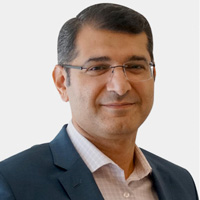
Asif Peer

Asif Peer

CEO & MD, Systems Limited
Nele Noe

Nele Noe

Education Consultant
Emily Bell

Emily Bell

Schools Relationship Manager, Hodder Education

Zartaj Ahmed

Zartaj Ahmed

CEO & Co-founder, Pi Space Science Education Centre (PSSEC)

Somayeh Bardai

Somayeh Bardai

CEO, Raana Liaquat Craftsmen’s Colony (RLCC)

Suvaibah Ali

Suvaibah Ali

A-Level Student, BCP, PECHS Campus

Zehrish Khanzadi

Zehrish Khanzadi

Activist & Programme Manager, Gender Interactive Alliance

Shajar Abbas

Shajar Abbas

Record-holding Sprinter

Faiza Saleem

Faiza Saleem

Digital Creator, Comedian & Founder, The Khawatoon

Ismail Sabry

Ismail Sabry

Senior Education Adviser at Cambridge University Press & Assessment

Zohaib Zuby

Zohaib Zuby

Principal Architect, Zuby Design Collective

Haider Ali

Haider Ali

Paralympic Champion
Aftab ur Rehman Rana

Aftab ur Rehman Rana

MD, Pakistan Tourism Development Corporation (PTDC)

Reza Malik

Reza Malik

Director, Beaconhouse Technology

Fifi Haroon

Fifi Haroon

Fashion & Pop Culture Journalist
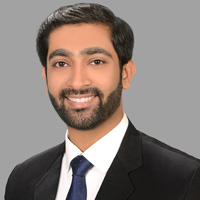
Dr Hashir Awan

Dr Hashir Awan

Teacher & Debate Coach
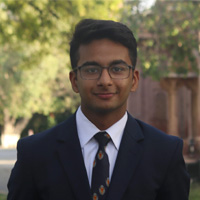
Zarar Haroon Khokhar

Zarar Haroon Khokhar

Co-founder, Pak Maweshi

Dr Basit Riaz Sheikh

Dr Basit Riaz Sheikh

Founder Forloops Inc., Capital TV & InstaWorld Inc.

Hafsa Alam

Hafsa Alam

Founder, Sunzili
Maha Qasim

Maha Qasim

CEO, Zero-Point Partners
Shumaila Hussain

Shumaila Hussain

Project Head, Resonance Spa & Wellness Space
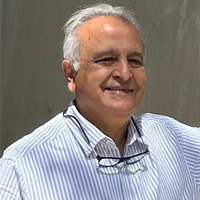
Shahnaz Minallah

Shahnaz Minallah

Life Coach of Mindfulness and Self-mastery
Wusat Ullah Khan

Wusat Ullah Khan

Journalist & Co-host

Sarah Najmi Bilgrami

Sarah Najmi Bilgrami

Architect, Interior Designer & President, MAISON YOCA

Dr Fahad Mirza

Dr Fahad Mirza

Plastic & Aesthetic Surgeon

Sharmeen Obaid-Chinoy

Sharmeen Obaid-Chinoy

Oscar-winning Filmmaker
Nadeem Baig

Nadeem Baig

Film Director & Producer
Dr Andrew Hargreaves

Dr Andrew Hargreaves

Research Professor, Boston College & Visiting Professor, University of Ottawa
Dr Amjad Saqib

Dr Amjad Saqib

Philanthropist & Founder, Akhuwat

Dr Ambreen Roshan

Dr Ambreen Roshan

Aesthetic Physician & Founder, Caviaar

Kate Frood

Kate Frood

Educationist & Professional Learning Adviser, Camden Learning

Namrah Sikander

Namrah Sikander

Content Producer
Ali Ahsan

Ali Ahsan

IBDP Student, Beaconhouse College Programme

Abdul Ahad Jawaid

Abdul Ahad Jawaid

Creative Consultant

Shanzay Rashid

Shanzay Rashid

A-Level Student, The Lyceum School

Aarish Sardar

Aarish Sardar

Design Educator, Creative Practitioner & Art Curator

Zofeen T. Ebrahim

Zofeen T. Ebrahim

Journalist & Development Sector Consultant

Sinnan Fazwani

Sinnan Fazwani

Musician & Music Producer

Ghazi Taimoor

Ghazi Taimoor

CEO & Founder, The Learning Group

Amtul Baweja

Amtul Baweja

Digital Creator & Co-founder P-Square
Zoraiz Lashari

Zoraiz Lashari

CEO, Luxus Hotels & Sozo Water Park

Our Partners .

Lead Sponsor

Gold Sponsors

Other Valued Sponsors & Partners

Connectivity Partner