Schedule .
Day 1
Saturday, 29 November 2025
11:30 - 12:10 PKT
06:30 - 07:10 GMT
13:20 - 14:20 PKT
08:20 - 09:20 GMT
4 parallel sessions
From Analog to Digital: An Artist's Talk
Moderator
Dr Yaqoob Khan Bangash
Panellists
Rashid Rana
Golden Pearl Hall
The End of the Ivory Tower? Universities in the Age of AI
Read abstract
For centuries, universities have served as centres of knowledge and engines of social mobility. But in an era where AI can teach, assess, and even generate research, their role faces unprecedented disruption. This conversation examines how universities can remain relevant and humane by reimagining purpose, pedagogy, and governance. Should the Ivory Tower evolve into an open, networked ecosystem where human intellect and machine intelligence coexist ethically and productively?
- How can universities sustain intellectual authority in an AI-driven world?
- What ethical and governance frameworks can guide responsible AI-integration in higher education?
- How might credentialing, research, and teaching evolve when algorithms co-create knowledge?
- Can universities become models of collaboration between human and artificial intelligence rather than victims of disruption?
- How can higher education preserve its role as a moral compass amid rapid technological change?
- How can universities sustain intellectual authority in an AI-driven world?
- What ethical and governance frameworks can guide responsible AI-integration in higher education?
- How might credentialing, research, and teaching evolve when algorithms co-create knowledge?
- Can universities become models of collaboration between human and artificial intelligence rather than victims of disruption?
- How can higher education preserve its role as a moral compass amid rapid technological change?
Moderator
Dr Sara Zubair
Crystal Hall
"Screen Locked": Film Screening and Q&A
Read abstract
'Screen Locked' explores the fragile boundaries between digital life, human emotion, and the unseen pressures of a hyper-connected world. Through a gripping short film and a candid post-screening conversation with the creative team, this session examines loneliness, digital dependency, and the ways technology reshapes our fears, choices, and relationships. It invites audiences to reflect on how screens both connect and confine us—and what it means to stay human in the process.
- How does 'Screen Locked' illuminate the psychological and emotional weight of living through our screens?
- In what ways do digital spaces create intimacy while deepening disconnection?
- How does the film portray agency, vulnerability, and the search for human connection in a tech-saturated world?
- What creative choices shaped its tension and message?
- How can art spark conversations about digital well-being, boundaries, and responsibility?
- What does the film reveal about the future of storytelling in an age defined by screens?
- How does 'Screen Locked' illuminate the psychological and emotional weight of living through our screens?
- In what ways do digital spaces create intimacy while deepening disconnection?
- How does the film portray agency, vulnerability, and the search for human connection in a tech-saturated world?
- What creative choices shaped its tension and message?
- How can art spark conversations about digital well-being, boundaries, and responsibility?
- What does the film reveal about the future of storytelling in an age defined by screens?
Moderator
Ayesha Kasuri
Ava Garden Marquee
The Trust Deficit: Building Vaccine Confidence in Pakistan
Read abstract
Vaccine hesitancy in Pakistan reflects a growing global crisis of mistrust, amplified by misinformation, digital echo chambers, and gaps in public communication. This session explores how AI-driven tools can monitor sentiment, counter fake news, and rebuild confidence. It brings together public-health, technology, and social-behaviour experts to unpack the roots of refusal, from cultural anxieties to systemic challenges. The conversation asks how humans and intelligent systems can work together to strengthen vaccine trust and protect community health.
- What social, cultural, and behavioural forces drive vaccine hesitation among parents and other communities in Pakistan?
- How do global anti-vaccine narratives translate into local distrust, especially during HPV rollout?
- How is misinformation evolving in an era of AI-generated content, deepfakes, and digital fragmentation?
- In what ways can AI-powered chatbots, social listening tools, and predictive analytics help identify and address hesitancy hotspots?
- How can schools, health systems, and governments partner, using both human trust and machine insight, to build vaccine confidence and safeguard public health?
- What social, cultural, and behavioural forces drive vaccine hesitation among parents and other communities in Pakistan?
- How do global anti-vaccine narratives translate into local distrust, especially during HPV rollout?
- How is misinformation evolving in an era of AI-generated content, deepfakes, and digital fragmentation?
- In what ways can AI-powered chatbots, social listening tools, and predictive analytics help identify and address hesitancy hotspots?
- How can schools, health systems, and governments partner, using both human trust and machine insight, to build vaccine confidence and safeguard public health?
Moderator
Shahab Siddiqi
Shalimar Hall
14:40 - 15:40 PKT
09:40 - 10:40 GMT
4 parallel sessions
Stories Only Humans Can Tell
Read abstract
In a world where AI can simulate art and language, what remains uniquely human about storytelling? This fireside chat explores the empathy, observation, and lived experience that no algorithm can reproduce. Together, our guests reflect on storytelling as an act of truth, connection, and resistance in an age of automation and digital imitation.
- What emotional truths can human storytellers convey that AI never can?
- How does lived experience shape creativity in ways data cannot capture?
- Can AI-generated stories ever possess genuine empathy or moral depth?
- What does it mean to ???stay human??? in a world where machines narrate too?
- How can storytelling remain a space of authenticity, vulnerability, and shared humanity amid accelerating technological simulation?
- What emotional truths can human storytellers convey that AI never can?
- How does lived experience shape creativity in ways data cannot capture?
- Can AI-generated stories ever possess genuine empathy or moral depth?
- What does it mean to ???stay human??? in a world where machines narrate too?
- How can storytelling remain a space of authenticity, vulnerability, and shared humanity amid accelerating technological simulation?
Golden Pearl Hall
Rewriting the Code: AI, Ethics, and the Future of Human Decisions
Read abstract
As algorithms increasingly influence our everyday choices, humanity faces a crucial question: can we preserve empathy and moral agency in automated decision-making? This session explores how societies can embed ethics into the design of intelligent systems, ensuring that AI enhances, rather than replaces, human judgment. It challenges leaders to rewrite not just the code, but the principles that govern its influence on decisions.
- What frameworks can preserve moral agency as automation scales?
- Who is accountable when machines make or influence human decisions?
- Can efficiency and empathy coexist in algorithmic governance?
- How do we ensure technology reflects not only human intelligence, but also human conscience?
- What frameworks can preserve moral agency as automation scales?
- Who is accountable when machines make or influence human decisions?
- Can efficiency and empathy coexist in algorithmic governance?
- How do we ensure technology reflects not only human intelligence, but also human conscience?
Moderator
Selina Rashid
Crystal Hall
Parenting in the Age of AI
Read abstract
As intelligent machines enter our homes and shape our children’s worlds, parenting is being fundamentally redefined. This session examines how technology impacts learning, social interactions, and emotional development, while exploring ways parents can foster empathy, curiosity, creativity, and responsibility in an algorithm-driven age. At the heart of this conversation is a pressing question, how do we raise children to be human when their playmates, teachers, and companions may increasingly be machines?
- How is AI reshaping childhood experiences and parental roles?
- What new boundaries and forms of guidance are needed in tech-saturated homes?
- Can technology support empathy, creativity, and moral development — or does it risk eroding them?
- What practical strategies help children build ethical digital behaviour from an early age?
- How can we teach children to use technology as a tool rather than a distraction or dependency?
- How is AI reshaping childhood experiences and parental roles?
- What new boundaries and forms of guidance are needed in tech-saturated homes?
- Can technology support empathy, creativity, and moral development — or does it risk eroding them?
- What practical strategies help children build ethical digital behaviour from an early age?
- How can we teach children to use technology as a tool rather than a distraction or dependency?
Facilitator(s)
Sophia K. Kasuri
Ava Garden Marquee
Reimagining Tomorrow: Young Voices on Climate Change and Action
Read abstract
A dynamic student-led conversation on shaping a sustainable future through education, technology, and collective responsibility. Rooted in Pakistan’s climate realities, this session examines how schools can build resilience and empower young people to lead meaningful climate action. It explores the intersection of AI-driven tools and human creativity in making sustainability learning engaging and relevant. The discussion also addresses eco-anxiety, climate literacy, and the integration of digital fluency with empathy to prepare a future-ready generation. The panel aligns with Cambridge’s Climate Quest, advancing climate literacy and digital competence as essential pillars of twenty-first-century learning.
- What changes around you make you realise that climate change is not just a global headline but a reality shaping our life? Why do you think some people still dismiss it as a ‘future problem,’ and what can young voices do to challenge that mindset?
- If you had the power to redesign how schools teach climate change, what would you add or change to make learning not just informative but action-driven?
- Many young people feel anxious about the climate crisis, sometimes even hopeless.
- What triggers those feelings for you or your peers? And how can schools, families, and creative platforms like art or innovation help transform that anxiety into resilience and hope?
- Imagine your school launches a climate initiative tomorrow. What should it be and why?
- How can student-led campaigns go beyond symbolic gestures to create real impact in your community and influence adults and policymakers?
- What changes around you make you realise that climate change is not just a global headline but a reality shaping our life? Why do you think some people still dismiss it as a ‘future problem,’ and what can young voices do to challenge that mindset?
- If you had the power to redesign how schools teach climate change, what would you add or change to make learning not just informative but action-driven?
- Many young people feel anxious about the climate crisis, sometimes even hopeless.
- What triggers those feelings for you or your peers? And how can schools, families, and creative platforms like art or innovation help transform that anxiety into resilience and hope?
- Imagine your school launches a climate initiative tomorrow. What should it be and why?
- How can student-led campaigns go beyond symbolic gestures to create real impact in your community and influence adults and policymakers?
Moderator
Uzma Yousuf
Shalimar Hall
16:00 - 17:00 PKT
11:00 - 12:00 GMT
4 parallel sessions
World Order 2.0: Power, Politics, and the Algorithmic Cold War
Read abstract
Artificial intelligence and data are reshaping geopolitics, turning algorithms into instruments of power. This session investigates how control over digital infrastructure, surveillance architectures, and AI innovation ecosystems is restructuring power dynamics and strategic alignments.As the Global South navigates between dependency and digital sovereignty, can it help shape a more equitable global order in a world where technological rivalry is already replacing traditional forms of geopolitical conflict?
- How is AI transforming global power structures and diplomacy?
- Are we witnessing a new kind of Cold War fought with data instead of weapons?
- What agency can developing nations assert in a world of digital empires?
- How do ethics, sovereignty, and security intersect in algorithmic geopolitics?
- Can technology become a tool for shared progress rather than domination in shaping the next world order?
- Are we witnessing a new kind of Cold War fought with data instead of weapons?
- What agency can developing nations assert in a world of digital empires?
- How do ethics, sovereignty, and security intersect in algorithmic geopolitics?
- Can technology become a tool for shared progress rather than domination in shaping the next world order?
Moderator
Fahd Hussain
Golden Pearl Hall
The Genius Question: Can AI Claim the Next Big Discovery?
Read abstract
As intelligent machines accelerate scientific breakthroughs, the limits of human brilliance are being rewritten. This session explores whether AI can meaningfully contribute to — or even originate — Nobel-level discoveries, and what this means for our ideas of creativity, authorship, and intellectual credit. It examines the shifting partnership between human intuition and machine computation, asking whether the future of discovery belongs to collaboration, competition, or a profound redefinition of “genius” itself.
- If AI generates a breakthrough insight, who deserves the credit, the human, the machine, or the algorithm’s creators?
- Can a machine ever be said to possess “genius,” or is genius inherently tied to human consciousness, intuition, and lived experience?
- What kinds of discoveries are machines already making that humans could not? How does this reshape scientific authorship and originality?
- Should Nobel-level recognition evolve to account for AI-driven discoveries, or would this dilute the meaning of human achievement?
- How does the fusion of human intuition and machine computation change the way we imagine creativity, problem-solving, and intellectual brilliance?
- Will the future of discovery be defined by collaboration between humans and AI, or will it push us toward competition, and what ethical boundaries emerge in either case?
- If AI generates a breakthrough insight, who deserves the credit, the human, the machine, or the algorithm’s creators?
- Can a machine ever be said to possess “genius,” or is genius inherently tied to human consciousness, intuition, and lived experience?
- What kinds of discoveries are machines already making that humans could not? How does this reshape scientific authorship and originality?
- Should Nobel-level recognition evolve to account for AI-driven discoveries, or would this dilute the meaning of human achievement?
- How does the fusion of human intuition and machine computation change the way we imagine creativity, problem-solving, and intellectual brilliance?
- Will the future of discovery be defined by collaboration between humans and AI, or will it push us toward competition, and what ethical boundaries emerge in either case?
Moderator
Ghazi Taimoor
Crystal Hall
A Glimmer of Hope: Navigating Difficult Feelings and Finding Support
Read abstract
This session explores how individuals and communities can respond to emotional distress, trauma, and abuse with empathy and understanding. It examines how technology (AI companions, digital therapy, and online support networks) can extend care and connection without replacing the human touch. By bridging psychology, lived experience, and innovation, the discussion seeks pathways to hope, healing, and compassionate support for those struggling in silence.
- How can we recognise and respond to emotional pain, trauma, or abuse before it deepens into crisis?
- What role can technology play in providing safe, accessible, and empathetic spaces for those seeking help?
- How do we ensure that digital tools amplify rather than replace authentic human care?
- In a world where isolation often silences suffering, how can families, educators, and communities work together to nurture resilience, destigmatise help-seeking, and keep hope alive when it feels most distant?
- How can we recognise and respond to emotional pain, trauma, or abuse before it deepens into crisis?
- What role can technology play in providing safe, accessible, and empathetic spaces for those seeking help?
- How do we ensure that digital tools amplify rather than replace authentic human care?
- In a world where isolation often silences suffering, how can families, educators, and communities work together to nurture resilience, destigmatise help-seeking, and keep hope alive when it feels most distant?
Moderator
Iram Naqvi
Ava Garden Marquee
بات سے بات: اردو ايپ کي کہاني تعليم و تکنيک کا سنگم
Read abstract
This session explores the app “Matan Se Awaz”, an advanced Urdu Speech-to-Text and text narration application that delivers smooth, natural, and highly accurate reading with impeccable pronunciation. By converting typed Urdu text into fluent audio, the tool offers users seamless narration and precise linguistic rendering.
The discussion will further explore how AI-powered technologies are transforming classrooms, fostering inclusive learning environments, and expanding opportunities for Urdu in the digital age. Demonstrating innovation, accuracy, and user-friendly design, “Matan Se Awaz” showcases a significant leap forward in the future of Urdu learning and digital accessibility.
Shalimar Hall
17:15 - 17:45 PKT
12:15 - 12:45 GMT
Day 2
Sunday, 30 November 2025
10:00 - 11:00 PKT
05:00 - 06:00 GMT
Distinguished Alumni Awards
Crystal Hall
11:10 - 12:10 PKT
06:10 - 07:10 GMT
4 parallel sessions
AI as the New Co-Founder: Dreamers & Doers
Read abstract
Innovation is entering a new era, one where artificial intelligence joins the founding team. In this Story Circle, entrepreneurs, technologists, and creators share how AI is becoming a collaborator, strategist, and creative partner in building ideas that shape the future. Through real-world stories, the session explores how human vision and machine intelligence can co-create enterprises defined not just by efficiency, but by imagination and purpose.
- How is AI transforming the creative and strategic processes of entrepreneurship?
- How does collaboration with algorithms enhance human innovation, and in what ways can it also diminish human creativity?
- What ethical and emotional challenges arise when machines share decision-making power?
- How do we ensure that AI-driven ventures retain conscience and authenticity?
- In a future of intelligent enterprise, what does it truly mean to be a co-founder, human or otherwise?
- How is AI transforming the creative and strategic processes of entrepreneurship?
- How does collaboration with algorithms enhance human innovation, and in what ways can it also diminish human creativity?
- What ethical and emotional challenges arise when machines share decision-making power?
- How do we ensure that AI-driven ventures retain conscience and authenticity?
- In a future of intelligent enterprise, what does it truly mean to be a co-founder, human or otherwise?
Golden Pearl Hall
AI & the Post Truth Society
Read abstract
In an era where artificial intelligence can create persuasive narratives, deepfakes, and synthetic data with unprecedented realism, the boundaries between truth and deception are rapidly eroding. The “post-truth” condition, where emotions and beliefs often outweigh facts, has found new momentum through algorithmic amplification and AI-driven content creation. This panel explores how societies can uphold truth, accountability, and trust in the digital age. Bringing together experts in technology, media, ethics, and policy, the discussion will unpack how AI shapes public discourse, influences collective perception, and challenges traditional sources of authority and verification. The conversation will also consider how education, governance, and civic engagement can strengthen societies against misinformation and foster digital resilience in Pakistan and beyond.
- How has the rise of generative AI tools, such as chatbots, image generators, and deepfake technologies, reshaped the way people perceive truth and authenticity online?
- What mechanisms (technical, educational, or policy-based) can help societies identify and counter AI-driven misinformation before it erodes public trust in institutions and journalism?
- Developers, platforms, users, or governments - who should be held responsible for the misuse of AI in spreading false narratives, and what ethical frameworks can guide this accountability?
- How do the challenges of AI-generated misinformation manifest differently in the Global South, especially in Pakistan, where media literacy and digital access vary widely?
- Can AI itself be part of the solution through fact-checking, content moderation, or media literacy tools? And what role should educators, journalists, and civil society play in this process?
- How has the rise of generative AI tools, such as chatbots, image generators, and deepfake technologies, reshaped the way people perceive truth and authenticity online?
- What mechanisms (technical, educational, or policy-based) can help societies identify and counter AI-driven misinformation before it erodes public trust in institutions and journalism?
- Developers, platforms, users, or governments - who should be held responsible for the misuse of AI in spreading false narratives, and what ethical frameworks can guide this accountability?
- How do the challenges of AI-generated misinformation manifest differently in the Global South, especially in Pakistan, where media literacy and digital access vary widely?
- Can AI itself be part of the solution through fact-checking, content moderation, or media literacy tools? And what role should educators, journalists, and civil society play in this process?
Moderator
Amber Rahim Shamsi
Crystal Hall
The Future of Performance: When Humans, Avatars, and Algorithms Share the Stage
Read abstract
As performance enters a new era, humans now share creative space with avatars, algorithms, and AI-generated expressions. In this conversation we explore how storytelling, fashion, movement, and identity evolve when the stage itself becomes hybrid. From digital doubles to algorithmic choreography, the panel explores questions of authenticity, cultural representation, and artistic ownership, and considers how inclusive, diverse, and ethical can our future performances truly be.
- How do humans, avatars, and algorithms change the nature of performance when they share the same stage?
- Does AI enhance artistic expression—or does it risk compromising authenticity and emotional depth?
- What new forms of storytelling or design become possible through human-machine collaboration?
- How do we protect cultural identity and diversity when algorithms may favour certain aesthetics?
- What would an inclusive and equitable future of hybrid performance actually look like?
- How do humans, avatars, and algorithms change the nature of performance when they share the same stage?
- Does AI enhance artistic expression—or does it risk compromising authenticity and emotional depth?
- What new forms of storytelling or design become possible through human-machine collaboration?
- How do we protect cultural identity and diversity when algorithms may favour certain aesthetics?
- What would an inclusive and equitable future of hybrid performance actually look like?
Moderator
Adeel Azhar
Ava Garden Marquee
Risks & Opportunities: How can we ensure that AI facilitates Pakistan’s development?
Read abstract
AI presents Pakistan with significant opportunities for advancing governance, economic growth, and public service delivery. But real progress depends on responsible design and effective accountability frameworks. This dialogue examines how to balance innovation with inclusion, build institutional readiness, and localise AI for equitable growth. From governance frameworks to workforce transformation, the discussion explores how AI can become an engine for sustainable, people-centred development.
- How can Pakistan align AI innovation with national development priorities?
- What governance and accountability frameworks are needed for responsible AI adoption?
- How can institutions and the workforce be prepared for AI-driven transformation?
- What lessons can be drawn from past reform efforts to guide implementation?
- Can AI bridge inequalities—or will it widen them—without inclusive, localised strategies?
- How can Pakistan align AI innovation with national development priorities?
- What governance and accountability frameworks are needed for responsible AI adoption?
- How can institutions and the workforce be prepared for AI-driven transformation?
- What lessons can be drawn from past reform efforts to guide implementation?
- Can AI bridge inequalities—or will it widen them—without inclusive, localised strategies?
Moderator
Helen Chorlton
Shalimar Hall
12:30 - 13:30 PKT
07:30 - 08:30 GMT
4 parallel sessions
Silicon Valley or Shenzhen: Choosing Our Digital Destiny
Read abstract
As AI and digital ecosystems evolve, the world’s technological future is being shaped by competing power centres: Silicon Valley’s liberal innovation and Shenzhen’s state-driven efficiency. This session examines how countries like Pakistan can chart their own path between dependence and digital sovereignty, asking what models of innovation, governance, and partnership will define their technological and ethical future.
- How do U.S. and Chinese tech models differ in the way they shape global digital ecosystems?
- What lessons can emerging economies draw from Silicon Valley and Shenzhen?
- How can Pakistan balance innovation with data sovereignty and independence?
- Are local ecosystems ready to compete in an AI-driven world dominated by giants?
- What values—freedom, control, creativity, or community—should guide our digital destiny?
- How do U.S. and Chinese tech models differ in the way they shape global digital ecosystems?
- What lessons can emerging economies draw from Silicon Valley and Shenzhen?
- How can Pakistan balance innovation with data sovereignty and independence?
- Are local ecosystems ready to compete in an AI-driven world dominated by giants?
- What values—freedom, control, creativity, or community—should guide our digital destiny?
Moderator
Isfundiar Kasuri
Golden Pearl Hall
Peace, Justice, and Palestine: What the World Must Confront
Read abstract
As the world confronts ongoing violence, displacement, and humanitarian crisis in Palestine, this session examines what justice truly requires. It explores the realities of Palestinians alongside global responsibilities, international law, and the failures of current systems. The panel considers how the international community can move beyond mere statements towards tangible action, accountability, and a future grounded in dignity, rights, and lasting peace.
- What does justice in Palestine demand from the international community today?
- How do global power dynamics, UN mechanisms, and geopolitical interests shape or obstruct paths toward peace?
- What responsibilities do states and global institutions hold when humanitarian law is repeatedly violated?
- How do we keep Palestinian voices at the centre of a conversation that is too often defined by others?
- What must the world confront, change, and commit to in order to move from performative concern to real, sustained peace?
- What does justice in Palestine demand from the international community today?
- How do global power dynamics, UN mechanisms, and geopolitical interests shape or obstruct paths toward peace?
- What responsibilities do states and global institutions hold when humanitarian law is repeatedly violated?
- How do we keep Palestinian voices at the centre of a conversation that is too often defined by others?
- What must the world confront, change, and commit to in order to move from performative concern to real, sustained peace?
Moderator
Dr Anoosha Iftekhar
Crystal Hall
Ozempic Dreams and Filtered Realities: Aesthetics, AI, and the New Morality of Perfection
Read abstract
From Ozempic-fuelled weight loss to AI-powered beauty filters, science and technology are blurring the line between enhancement and identity. This session explores the psychological, ethical, and societal implications of living in a world where bodies, faces, and even identities can be technologically optimised to the extent where the pursuit of perfection risks flattening individuality itself.
- How are trends like Ozempic, AI filters, and cosmetic technologies reshaping our understanding of beauty, health, and self-worth?
- Where does medical necessity end and cultural pressure begin?
- How do clinicians ethically navigate patient demands shaped by algorithms and social media?
- What new inequalities or moral judgments arise when enhancement becomes normalised?
- Does AI distort identity or simply reveal long-standing insecurities?
- In a future of editable bodies and curated selves, what anchors our sense of identity?
- How are trends like Ozempic, AI filters, and cosmetic technologies reshaping our understanding of beauty, health, and self-worth?
- Where does medical necessity end and cultural pressure begin?
- How do clinicians ethically navigate patient demands shaped by algorithms and social media?
- What new inequalities or moral judgments arise when enhancement becomes normalised?
- Does AI distort identity or simply reveal long-standing insecurities?
- In a future of editable bodies and curated selves, what anchors our sense of identity?
Moderator
Iram Naqvi
Ava Garden Marquee
Taking Online Learning from Proof of Concept to Scale
Read abstract
This session explores what it truly takes for institutions to embrace online and hybrid learning with confidence. The panel examines pedagogical, operational, and strategic foundations of building future-ready learning ecosystems, highlighting design philosophy, stakeholder trust, and cross-sector partnerships and reveals how thoughtful innovation can unlock high-quality, scalable learning across Pakistan’s educational landscape.
- How can institutions deepen trust, readiness, and pedagogical confidence in online learning?
- What systems, capacities, and design philosophies help institutions expand online learning while maintaining high quality?
- How do partnerships, governance structures, and operational models drive sustainable digital learning ecosystems?
- What role can AI play in enhancing high-quality, localised, and scalable course design?
- How can institutions deepen trust, readiness, and pedagogical confidence in online learning?
- What systems, capacities, and design philosophies help institutions expand online learning while maintaining high quality?
- How do partnerships, governance structures, and operational models drive sustainable digital learning ecosystems?
- What role can AI play in enhancing high-quality, localised, and scalable course design?
Moderator
Mahnoor Hayat
Shalimar Hall
13:50 - 14:50 PKT
08:50 - 09:50 GMT
4 parallel sessions
The role of entrepreneurship centers in the modern economy
Read abstract
This discussion, led by Lums Centre for Entrepreneurship, explores the interface between industry and innovation enablers (including BICs) and examine how university–industry linkages contribute to economic growth and development. While the primary focus will be the Pakistani experience, the discussion will be framed within global entrepreneurship centre trends and emerging international models.
- What are the key success factors for an entrepreneurial centre (infrastructure, mentorship, funding, networks) that enable startups to scale and contribute meaningfully to economic development?
- Beyond “number of startups incubated” what metrics should we be looking at to gauge startup success?
- If Pakistan wants to become a true startup export region, what single industry or technological domain should entrepreneurial centres prioritise, and what structural enabler (higher education, policy, capital, talent, corporate partnership) is the actual bottleneck to unlock that?
- In the context of developing economies (like Pakistan) what are the unique challenges or characteristics of entrepreneurial ecosystems that differ from developed countries, and how should entrepreneurial enablers including centers of education adapt?
- What are the key success factors for an entrepreneurial centre (infrastructure, mentorship, funding, networks) that enable startups to scale and contribute meaningfully to economic development?
- Beyond “number of startups incubated” what metrics should we be looking at to gauge startup success?
- If Pakistan wants to become a true startup export region, what single industry or technological domain should entrepreneurial centres prioritise, and what structural enabler (higher education, policy, capital, talent, corporate partnership) is the actual bottleneck to unlock that?
- In the context of developing economies (like Pakistan) what are the unique challenges or characteristics of entrepreneurial ecosystems that differ from developed countries, and how should entrepreneurial enablers including centers of education adapt?
Moderator
Saba Shahid
Golden Pearl Hall
How can media do more programming for peace promotion?
Read abstract
In an increasingly polarised world, media plays a powerful role in shaping narratives, influencing public perception, and building collective identities. However, mainstream content often amplifies sensationalism, conflict, and divisive discourse. This session explores how media institutions, cultural producers, and storytellers can promote peace-building, empathy, and shared human values. Through the lens of television, drama, news, digital storytelling, and arts-based programming, this discussion aims to identify practical and ethical ways to shift media content towards fostering dialogue, social inclusion, and mutual respect. The panel will examine past examples of peace- focused media, contemporary challenges, and opportunities for creative, collaborative approaches that inspire audiences rather than fracture them.
- How does current cultural and news discourse influence social attitudes?
- What do peace-oriented programmes actually look like? Can they be engaging without being “preachy”?
- What structural changes are needed in media institutions to create more space for reflective and inclusive content?
- Social media gives everyone a platform, but it also accelerates polarisation. What role do young content creators play in reshaping narratives?
- What examples from your work, our national media, or global media best illustrate the power of storytelling to successfully promoted peace, empathy, or social cohesion?
- What is one story Pakistan needs to tell itself today?
- How does current cultural and news discourse influence social attitudes?
- What do peace-oriented programmes actually look like? Can they be engaging without being “preachy”?
- What structural changes are needed in media institutions to create more space for reflective and inclusive content?
- Social media gives everyone a platform, but it also accelerates polarisation. What role do young content creators play in reshaping narratives?
- What examples from your work, our national media, or global media best illustrate the power of storytelling to successfully promoted peace, empathy, or social cohesion?
- What is one story Pakistan needs to tell itself today?
Moderator
Amina Ali
Crystal Hall
AI for Balance: Reimagining Success Between Earnings and Empathy
Read abstract
As AI transforms how organisations work and win, traditional measures of success—efficiency, profit, performance—are no longer enough. This session explores how businesses can balance data with empathy and purpose with productivity. Can corporate cultures evolve to value emotional intelligence and ethical leadership as much as growth and innovation? In an age of automation, staying human may be the ultimate competitive advantage.
- How is AI reshaping what success means in modern organisations?
- Can empathy and ethical leadership coexist with automation and efficiency?
- What frameworks help balance performance metrics with human well-being?
- How can leaders design emotionally intelligent, purpose-driven workplaces in the digital era?
- In a highly automated world, which uniquely human qualities become core competitive advantages?
- How is AI reshaping what success means in modern organisations?
- Can empathy and ethical leadership coexist with automation and efficiency?
- What frameworks help balance performance metrics with human well-being?
- How can leaders design emotionally intelligent, purpose-driven workplaces in the digital era?
- In a highly automated world, which uniquely human qualities become core competitive advantages?
Moderator
Ali Nomani
Ava Garden Marquee
Children at Risk: Abuse, Exploitation, & Safety in the Age of AI
Read abstract
Growing up in a world of AI and constant connectivity, children are exposed to new forms of vulnerability. This session explores how technology, law, and education can work together to protect young people from exploitation, abuse, and harm. It asks how societies can balance innovation with accountability to ensure that the digital spaces shaping childhood remain safe, ethical, and grounded in empathy.
- How has AI amplified risks of child exploitation and online abuse?
- What role should law and policy play in safeguarding children in digital spaces?
- How can education build digital literacy, empathy, and resilience among the youth?
- What responsibilities do tech companies bear in creating safer online environments?
- Can AI itself become part of the solution—detecting harm while upholding privacy and dignity?
- How has AI amplified risks of child exploitation and online abuse?
- What role should law and policy play in safeguarding children in digital spaces?
- How can education build digital literacy, empathy, and resilience among the youth?
- What responsibilities do tech companies bear in creating safer online environments?
- Can AI itself become part of the solution—detecting harm while upholding privacy and dignity?
Moderator
Humayun Bashir Tarar
Shalimar Hall
15:10 - 16:10 PKT
10:10 - 11:10 GMT
4 parallel sessions
Many Faces of Inclusion in a Changing World
Read abstract
Inclusion is more than representation. It is the work of creating genuine belonging in a world shaped by diverse identities, abilities, cultures, and lived experiences. This session brings these ideas together through three interconnected lenses: gender and trans inclusion, neurodiversity and human potential, and cultural and ethnic inclusion.
Across these conversations, we ask how societies can design environments, systems, and narratives that recognise difference without othering, support individuality without isolating, and celebrate diversity without reducing it to token gestures. At its heart, the session explores how empathy, imagination, and intentional design can move us toward forms of inclusion that are authentic, sustainable, and shared by all.
- How can inclusion evolve from policy to lived practice in diverse societies?
- What does gender and trans inclusion reveal about redefining identity today?
- How can neurodiversity reshape education, work, and human potential?
- In an interconnected world, how do migration and culture redefine belonging?
- How can technology reduce, rather than amplify, differences as societies co-create inclusive and equitable futures?
- How can inclusion evolve from policy to lived practice in diverse societies?
- What does gender and trans inclusion reveal about redefining identity today?
- How can neurodiversity reshape education, work, and human potential?
- In an interconnected world, how do migration and culture redefine belonging?
- How can technology reduce, rather than amplify, differences as societies co-create inclusive and equitable futures?
Moderator
Amber Rahim Shamsi
Golden Pearl Hall
Brains, Bots, and Broken Curricula: Who Prepares Us for Tomorrow?
Read abstract
As AI transforms how we learn and think, education must evolve beyond outdated curriculums designed for the industrial age. This session explores how schools and universities can prepare learners for a world where humans and machines learn together. Can AI democratise opportunity, or deepen divides? And as reliance on intelligent systems grows, how do we guard against overdependence that weakens human judgement, creativity, and agency? The conversation asks what education must truly teach to help us remain human in an age of intelligent systems.
- How must education evolve for an AI-driven future of work and learning?
- Can AI help bridge or will it widen global educational inequalities?
- What knowledge, skills, and values remain uniquely human in hybrid learning environments?
- How can schools balance technological fluency with ethical and emotional intelligence, while preventing overdependence on AI?
- Are we preparing students to use AI or to think beyond it in reimagining tomorrow’s world?
- How must education evolve for an AI-driven future of work and learning?
- Can AI help bridge or will it widen global educational inequalities?
- What knowledge, skills, and values remain uniquely human in hybrid learning environments?
- How can schools balance technological fluency with ethical and emotional intelligence, while preventing overdependence on AI?
- Are we preparing students to use AI or to think beyond it in reimagining tomorrow’s world?
Moderator
Azam Ali Noon
Crystal Hall
Who Owns the Beat? AI, Music, and the Battle for Creativity
Read abstract
From the invention of fire to the rise of the internet, each discovery, each innovation has been met with fear and resistance, but ultimately acceptance and integration into daily lives. Today, AI stands at a similar threshold, provoking both excitement and existential dread within the creative world. Musicians, composers, and performers are among the first to question what it means for their craft when machines can imitate emotional cues, generate melodies, or complete unfinished symphonies.
But is AI an intruder, or an instrument? A threat, or an amplifier? An imitation, or a new creative partner?
This session explores whether AI can truly create music without feeling emotion, whether art can remain transcendent when generated by an algorithm, and what becomes of originality when technology unlocks parts of ourselves we haven’t yet accessed. If a tool can enhance our creativity, where does authorship begin and end? And ultimately, in a future where human and machine co-compose, who owns the beat?
- Can AI truly create music, or does it only replicate human patterns?
- Who owns the rights and recognition when songs are co-created by humans and machines?
- How is AI changing what audiences value as “authentic” art?
- Can musicians use AI as a tool for innovation without losing creative identity?
- In the algorithmic age, does the soul of music still belong to the artist, or to the data that drives it?
But is AI an intruder, or an instrument? A threat, or an amplifier? An imitation, or a new creative partner?
This session explores whether AI can truly create music without feeling emotion, whether art can remain transcendent when generated by an algorithm, and what becomes of originality when technology unlocks parts of ourselves we haven’t yet accessed. If a tool can enhance our creativity, where does authorship begin and end? And ultimately, in a future where human and machine co-compose, who owns the beat?
- Can AI truly create music, or does it only replicate human patterns?
- Who owns the rights and recognition when songs are co-created by humans and machines?
- How is AI changing what audiences value as “authentic” art?
- Can musicians use AI as a tool for innovation without losing creative identity?
- In the algorithmic age, does the soul of music still belong to the artist, or to the data that drives it?
Moderator
Daniyal Raheal
Ava Garden Marquee
Learning Without Schooling: Pathways for the Left Behind
Read abstract
Even as AI and digital learning platforms transform access to education, millions remain excluded by poverty, conflict, or connectivity gaps. This TabadLab x SOT XIX conversation explores how technology, governance, and community innovation can bridge divides and ensure learning for all. Can AI become a tool for inclusion rather than inequality, and what new social contracts are needed to make education a true public good in the digital age?
- How can AI expand learning opportunities for those excluded from formal schooling?
- What governance models ensure equitable access to education in the digital era?
- Can technology bridge or will it deepen existing social and geographic divides?
- How can communities and innovators co-create inclusive, context-driven learning ecosystems?
- What balance is needed between digital and human approaches to guarantee education as a universal right?
- How can AI expand learning opportunities for those excluded from formal schooling?
- What governance models ensure equitable access to education in the digital era?
- Can technology bridge or will it deepen existing social and geographic divides?
- How can communities and innovators co-create inclusive, context-driven learning ecosystems?
- What balance is needed between digital and human approaches to guarantee education as a universal right?
Moderator
Shahab Siddiqi
Shalimar Hall
16:30 - 17:30 PKT
11:30 - 12:30 GMT
AI in the Newsroom: Friend or Foe?
Read abstract
AI is no longer just a buzzword; it is actively shaping the world of journalism. This discussion explores both the benefits and risks of AI in the media. While AI helps streamline news production with automated reports on finance, sports, and other areas, personalises content for audiences, and reveals hidden trends in data, it also poses serious challenges. Deepfakes and fake news spread faster than ever, algorithmic bias shapes what people read and believe, and the rise of AI threatens jobs, credibility, and editorial integrity.
Drawing on real-world examples, from AI-generated news anchors to viral misinformation, this session explores how AI is transforming the newsroom and asks a critical question: can AI strengthen journalism as a public good, or will it become a force that is difficult to govern and even harder to trust.
- Where should news organisations draw the line between using AI as a tool for efficiency and compromising core journalistic principles and human oversight?
- How can we identify and mitigate the inherent biases within AI algorithms to prevent them from perpetuating and amplifying societal inequalities?
- In an era of AI-generated content and deepfakes, what new skills and critical literacy will the public need to discern credible news from sophisticated disinformation?
- What regulatory frameworks or industry standards are necessary to ensure transparency and accountability in the use of AI by media companies?
- Where should news organisations draw the line between using AI as a tool for efficiency and compromising core journalistic principles and human oversight?
- How can we identify and mitigate the inherent biases within AI algorithms to prevent them from perpetuating and amplifying societal inequalities?
- In an era of AI-generated content and deepfakes, what new skills and critical literacy will the public need to discern credible news from sophisticated disinformation?
- What regulatory frameworks or industry standards are necessary to ensure transparency and accountability in the use of AI by media companies?
Moderator
Rai M. Azlan
Golden Pearl Hall
Our Speakers .
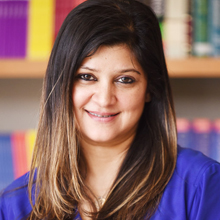
Ayesha Kasuri
Deputy Director Curriculum Development
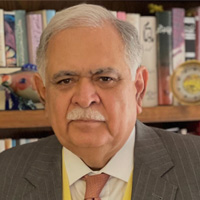
Wajid Jawad
President, Anjuman Taraqqi-e-Urdu Pakistan<br/> Industrialist & Former Minister
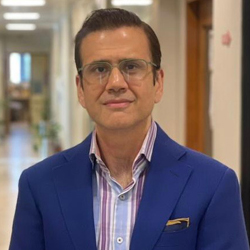
Nassir Kasuri
Executive Dir., International Division, Beaconhouse

Andreas Schleicher
Director General, OECD Directorate for Education & Skills
Syed Talat Hussain
Journalist & Communication Expert
Deepak Perwani
Fashion Designer
Sophia K. Kasuri
Project Director, The Early Years
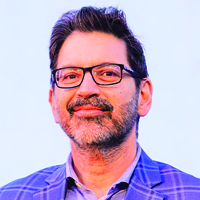
Kasim Kasuri
Chair SOT, CEO Beaconhouse
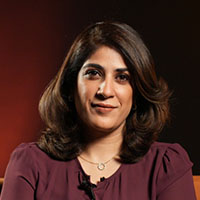
Amber Rahim Shamsi
Journalist & Pakistan Editor, Nukta
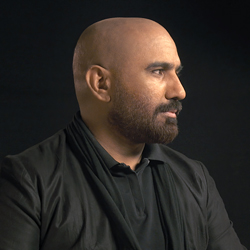
Rashid Rana
Leading Artist & Dean, School of Visual Arts & Design, BNU
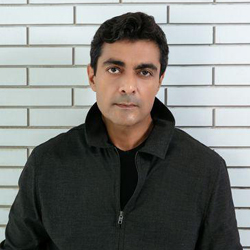
Alyy Khan
Actor
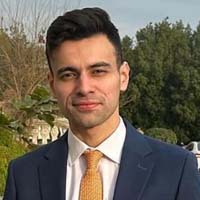
Atabik Mohsin
Actor
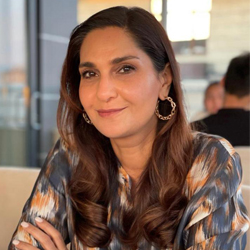
Iram Naqvi
Psychologist & GM, Student Wellbeing Programme, Beaconhouse
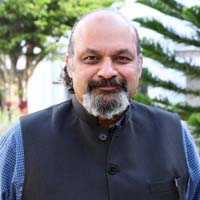
Dr Faisal Bari
CEO & Sr. Research Fellow, Institute of Dev. and Economic Alternatives
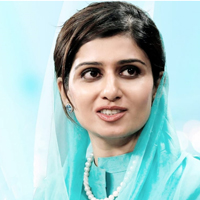
Hina Rabbani Khar
Chair, National Assembly's Foreign Affairs Cmte. Fmr. Foreign Minister of Pakistan
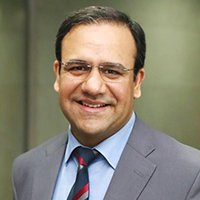
Dr Umar Saif
Leading Technology Advisor & Entrepreneur

Amina Ali
Grants Management & Communication Specialist; Lecturer, University of the Punjab

Ali Azmat
Artist

Isfundiar Kasuri
CEO, NewGlobe
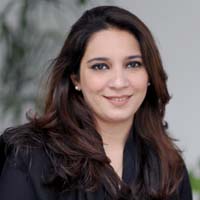
Uzma Yousuf
Country Director, Pakistan Intl. Education, Cambridge University Press & Assessment

Iain Riley
Head of School, TNS Beaconhouse DHA
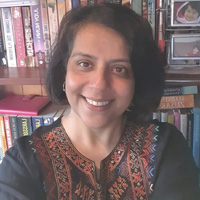
Dr Asha Bedar
Clinical Psychologist, Trainer & Researcher
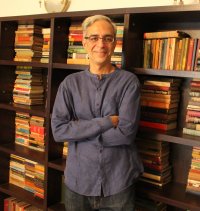
Zarrar Khuhro
Journalist

Ali Hashmi
Psychiatrist
Dr Athar Osama
Founder, INNOVentures Global (Pvt) Ltd. & World Science Collaborative Ltd.
Usama Khilji
Columnist, Researcher & Digital Rights Activist Director, Bolo Bhi
Azam Ali Noon
Director – Schools, ARVO
Ali Nomani
Urban Scholar in Education Leadership, Harvard University; Educator & Social Impact Leader
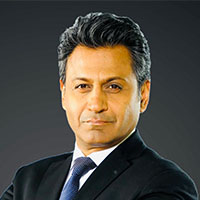
Fahd Hussain
Journalist & Anchor
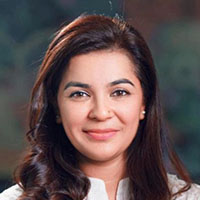
Annum Sadiq
Co-Founder & Chief Education Officer, Edkasa

Rai M. Azlan
Digital Media & Communications Strategist

Florian Ciprian
Senior IBWS Manager, International Baccalaureate
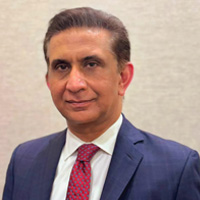
Humayun Bashir Tarar
Senior Police Officer & Adviser, Foreign, Commonwealth & Development Office Project
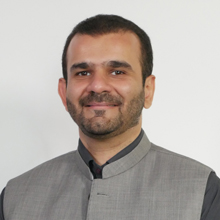
Umar Nadeem
CEO, Tabadlab
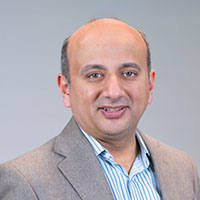
Jazib Zahir
Director, LUMSx & LUMS Centre for Entrepreneurship

Daniel Sobel
Founder, International Forums of Inclusion Practitioners

Dr Maryam Mustafa
Associate Professor & Director, Saida Waheed Gender Centre, LUMS
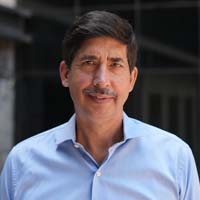
Dr Sohail Naqvi
Dir. EdTech, TMC Pvt. Ltd & Chairperson, Knowledge Streams (Pvt.) Ltd.
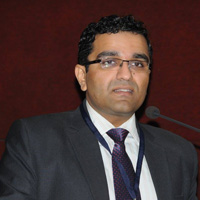
Dr Yaqoob Khan Bangash
Historian & Dean, Faculty of Humanities & Social Sciences, IT University
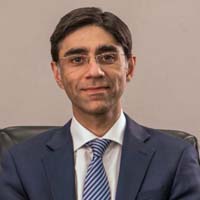
Dr Moeed Yusuf
Vice Chancellor, Beaconhouse National University & Former Adviser to PM on National Security
Maroof Ali Syed
President & CEO, CERP
Omar Maniar
Community Protection Adviser, UK-Pakistan Serious Crime & Law Enforcement Programme
Shahab Siddiqi
Founding Partner & Director of Human Capital, Tabadlab

Caroline Jenner
Chief Operating Officer, JA Worldwide
Syed Muzammil Shah
Journalist, Anchorperson & Digital Commentator
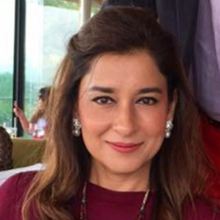
Ayesha Raza Farooq
Public Servant & Focal Person, Polio Eradication Programme

Syed Uzair Nizami
Scholar & Palestine Rights Activist
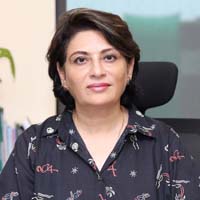
Dr Tayyaba Tamim
Dean, School of Education, LUMS
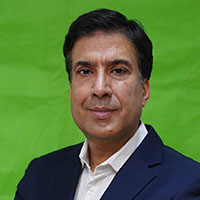
Dr Abbas Raza
Endocrinologist & CEO, MED Consultant

Moneeza Hashmi
Trustee, Faiz Foundation & Veteran Media and Broadcasting Expert
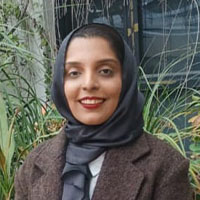
Mahnoor Hayat
Instructional Designer, LUMSx

Hajra Yamin
Actor
Faryal Siddique
Lead for Learning Experience Design, LUMSx
Haider Ali Shishmahal
Education Technologist, Psychometrics Specialist, Game Theorist & Social Entrepreneur

Nyal Mueenuddin
Documentary Filmmaker
Usman Khan
Senior Economic Policy & Finance Advisor
Nadia Jamil
Children's Rights Activist & Master mBIT/NLP Coach
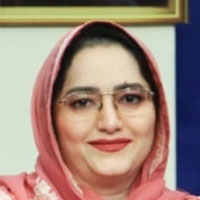
Dr Yasmeen Sultana Farooqui
Dean, Faculty of Media and Design, Ilma University<br/> Editor Qaumi Zaban, Anjuman Taraqqi-e-Urdu Pakistan
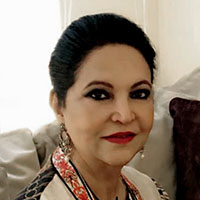
Tahira Syed
Artist
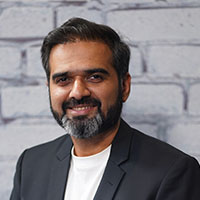
Adeel Azhar
Public Speaker, Corporate Trainer, & Seasoned Radio Host
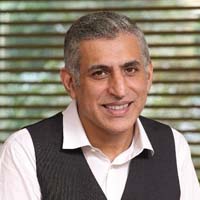
Ahmed Khan
CEO, Punjab Skills Development Fund & Entrepreneur
Khizar Tahseen
Head of Operations, LUMSx

Daniyal Raheal
Actor, Filmmaker, Writer & Cultural Activist
Badar Khushnood
Co-Founder, Bramerz & Fishry.com
Shaza Fatima Khawaja
Federal Minister IT & Telecommunication, Govt of Pakistan
Fatima Asad-Said
CEO & Board Member ABACUS
Anya Raza
Award-winning Writer, Filmmaker & Economist
Irfana Yasser
Journalist, Trainer & Media Strategist
Asad Shabbir
Lead Digital Comms, Ministry of Information & Broadcasting (MOIB)

Mekaal Hasan
Music Producer and Artist
Sarah Ahmad
MPA Punjab & Chairperson, Child Protection & Welfare Bureau, Govt of Punjab
Dr Iffat Zafar Aga
Co-Founder & Chief Operating Officer, Sehat Kahani
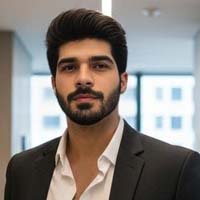
Farhan Ashraf
AI & Computer Vision Engineer, Anjuman Taraqqi-Urdu Pakistan

Kamil Majeed
Education Leader & High-Performance Coach<br/> CEO & Exec. Principal, Nordic Intl. School

Sumaya Abdul Haleem
CSR Programme Manager, Maria B

Helen Chorlton
International Development & Public Sector Governance Specialist
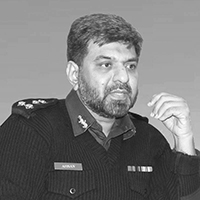
Ahsan Younas
Managing Director, Punjab Safe Cities Authority
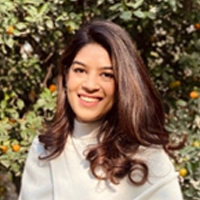
Saba Shahid
Manager Partnerships & Projects, LUMS Centre for Entrepreneurship



Shehryar Zeeshan
Student, Beaconhouse Defence Campus
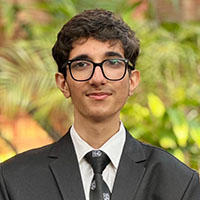
Muhammad Hassan
Student, LGS Johar Town
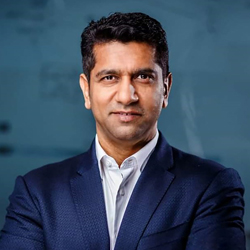
Monis Rahman
Founder, Rozee.pk & Technology Entrepreneur
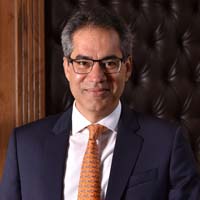
Dr Kamal Munir
Snr. Pro-Vice-Chancellor & Prof. of Strategy & Policy, University of Cambridge

Feeha Jamshed
Award-Winning Fashion Designer & Creative Director at Feeha Jamshed & TEEJAYS
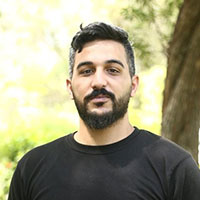
Mahmoud Younes Ali Abu Hank
Palestinian Civil Engineer
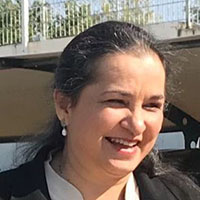
Nasim Zehra
National Security, Strategic Affairs Expert, Journalist & Educator

Dr Rabika Solanki
Clinical Psychologist, Assistant Professor & Academic Coordinator
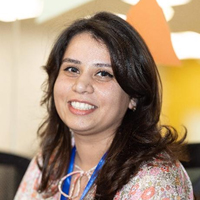
Minahil Zia
Learning & Development Programs Lead, LUMS Centre for Entrepreneurship

Amelia Umar
Researcher & Youth Advocate

Muhammad Shahmeer
Student, Crescent Model Higher Secondary School

Dr Ali Madeeh Hashmi
Psychiatrist, Writer & Translator
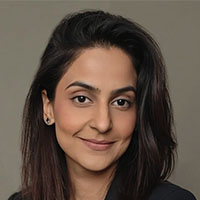
Maha Khalid
Strategy & Brand Leadership Specialist
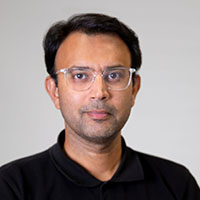
Dr Suleman Shahid
Founding Faculty Director LUMSx & Associate Professor of Computer Science, LUMS

Saim Sadiq
Filmmaker

Schazrey Bashir Tarar
Student, TNS Beaconhouse DHA

Badar Khan
Writer & Performer

Khalid Hasan Khan
Award-winning Filmmaker

Faris Ahmed
Student, Headstart School, Islamabad<br/> Writer & Young Policy Advocate
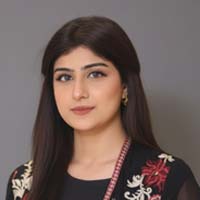
Farwa Waheed
Broadcast Journalist

Abdel Rahman Alhelo
Palestinian Computer Engineer

Dr Anoosha Iftekhar
Medical Doctor, Educator & Palestine Rights Activist

Mir Vali Pervez Ahmad
Master mBIT Coach, NLP Practitioner & Entrepreneur

Rebecca Zavaleta
CEO & Co-Founder, Paismo HR
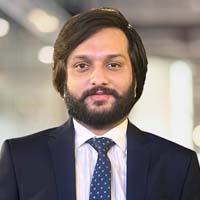
Talal Chaudhry
CEO, TechJuice
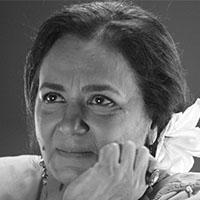
Navid Shahzad
Actor, Writer & Educationist
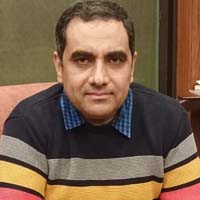
Sarfraz Ali
Head of Digital Media, Daily Pakistan & Daily Pakistan Global

Dr Aminah Khan
Country Director Pakistan, Jhpiego

Selina Rashid
Founder & CEO, Lotus Client Management & PR Founder, The Lotus Advisory
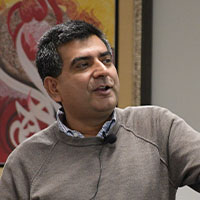
Dr Sabieh Anwar
Professor of Physics & Former Dean, Syed Babar Ali School of Science & Engineering, LUMS
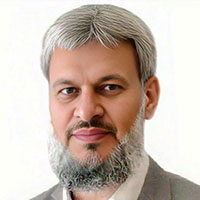
Abid Gill
Education Development Professional
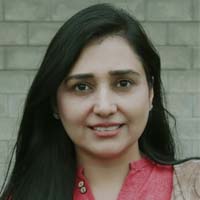
Gulalai Khan
Faculty Internet Governance, LUMS
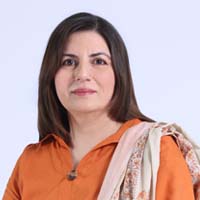
Dr Sara Zubair
Head, Corporate & Brand Communications, Beaconhouse Group

Dr Fahad Mirza
Plastic & Aesthetic Surgeon

Tamkenat Mansoor
Actor, Content Creator, Aesthetic Physician & Activist
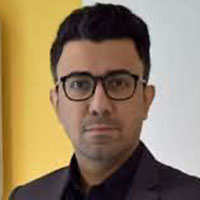
Asad Baig
Founder & Executive Director, Media Matters for Democracy
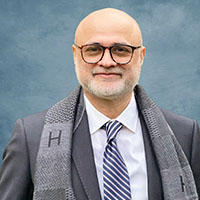
Dr Haroon Nabi
Dermatologist


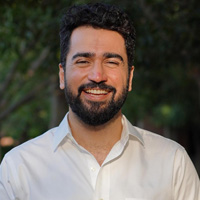
Ghazi Taimoor
CEO & Founder, The Learning Group
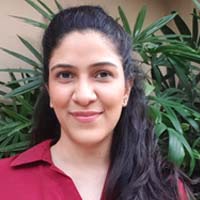
Dr Aamna Pasha
Global Education & Learning Innovation Specialist

Dr Jürgen Schmidhuber
Father of Generative AI & Architect of Core GPT Principles
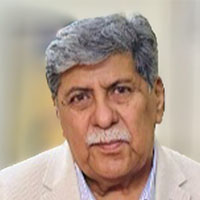
Asghar Nadeem Syed
Writer, Dramatist, Poet & Acaemic

Aisha Ryan
Human Rights & Development Specialist