Schedule .
SOT x Lahore Biennale Foundation - Who Owns Imagination?
Read abstract
Creativity has always drawn on inheritance, borrowing, and recombination. Generative AI does the same through prediction at an unprecedented scale, producing images, voices, texts and aesthetic choices that artists encounter, respond to and build on. But when does a tool become a collaborator, and can prediction amount to imagination?
In this musical conversation, live performances interwoven with moderated discussion bring these questions to life. Experts consider what the growing relationship between artists and machines means for creativity. Together, they explore where imagination begins, whose cultures these systems draw on, and what must stay distinctly human for creativity to open up new possibilities.
Driving Questions
- At what point does a tool begin to act as a participant in the creative process?
- If prediction can produce something new, what still separates it from imagination?
- As human work trains machines and machine output shapes human work, will culture expand or narrow?
- Whose languages, histories and archives do these systems know, and who is left out of them?
- If humans and machines both borrow and recombine, where does the meaningful difference lie?
Rethinking Learning: Skills for Life, Work and the Future
Read abstract
Schools have long organised learning around established bodies of knowledge, familiar career paths and examinations. Today, the world is changing faster than curricula are revised.
As AI takes on routine cognitive work and careers become less linear, independent thinking and adaptability are becoming more important than ever. Schools must question whether education is helping students develop these abilities. Global concerns about screen-based learning and its effects on attention and independent thought make this question more urgent. In Pakistan, rote memorisation and exam-driven curricula pose a related challenge, often leaving little room for students to exercise their own judgement or apply knowledge through practical experience.
This session asks what must change in classrooms, curricula and examinations to prepare students for an uncertain future.
Driving Questions
- If knowledge is instantly available, what should schools prioritise teaching?
- Which skills will hold their value as AI changes work, and how can schools help students develop them?
- Are examinations measuring what matters, and what would a more meaningful assessment look like?
- How can schools prepare students for careers that do not yet exist without narrowing education to employability?
- How can schools use technology to support learning while protecting attention and independent thinking?
The Price of ‘Perfection’: Ozempic, AI, and Beauty
Read abstract
From Ozempic and the risks of rapid weight loss to AI-generated faces and beauty filters, technology is changing how we shape and perceive our bodies. While shortcuts to the ideal appearance have now become a cultural phenomenon, questions about side effects and limited long-term research are often ignored.
As AI-generated images set beauty standards no human body meets, this conversation examines the growing divide between authenticity and the images we project. This conversation questions whether these innovations offer genuine choice or deepen the pressure to look a certain way.
Driving Questions
- As weight loss drugs become popular, what do we know about their potential risks?
- Where does the responsibility lie when influencers/celebrities endorse or popularise beauty and weight-loss trends?
- When AI filters and digitally altered images shape how we present ourselves, how does this affect our sense of identity and authenticity?
- What happens to our understanding of beauty when the pursuit of perfection becomes increasingly unattainable?
- What will it take for us to stop seeing ageing and differences in appearance as problems to fix?
Communities on the Climate Frontline
Read abstract
Climate shocks fall hardest on those already living close to the edge. Where poverty, fragile livelihoods and water insecurity shape daily life, a single flood, drought or heatwave can undo years of development, and an event that a wealthier community recovers from can push a poorer one into crisis. Pakistan, among the countries most exposed to climate disruption and least responsible for causing it, knows this pattern well.
Bringing together perspectives from community development and government, this panel asks what resilience means when vulnerability begins long before disaster strikes, why the gap between climate policy and practice persists, and how societies can move from responding to disasters to building communities able to withstand them.
Driving Questions
- Why does the same climate event become a setback for some communities and a crisis for others?
- What does resilience mean in practice, and who defines it: governments, donors or communities themselves?
- Why does the gap between climate policy and what happens on the ground persist, and what would close it?
- How can recovery after a disaster leave communities less vulnerable than before?
- What can countries like Pakistan rightly ask of the wider world, and what must they do for themselves?
Growing Up Online: Who Is Responsible for Keeping Children Safe?
Read abstract
Children today spend much of their lives on platforms built to capture attention and monetise it, most of them designed with adult users in mind. Harmful content, cyberbullying, exploitation, and compulsive use have led several governments to restrict children’s access to social media, while others look to platforms, schools, and parents to act.
According to UNICEF, nearly 1 in 16 internet-using children in Pakistan experienced technology-facilitated exploitation and abuse in 2026. Protecting children requires adults to understand their digital lives and children to feel safe speaking about what happens online, yet stigma and fear of blame keep harm hidden. Responsibility is spread so widely that it often rests with no one.
This panel asks what meaningful protection looks like, who should be accountable, and how children can remain part of the digital world they will inherit.
Driving Questions
- Should responsibility for children’s safety online sit with platforms, the state, schools or parents, and what happens when each assumes another will act?
- Are online harms the result of misuse, or a predictable consequence of how platforms are designed?
- Do age limits and bans protect children, or push them towards less visible corners of the internet?
- How can regulation keep pace with technology, and how can it be enforced?
- What do children themselves need: protection, digital literacy, or a say in the rules?
SOT x Tabadlab - This House Believes AI Is Making Us Less Human
Read abstract
This debate explores the consequences of AI becoming more embedded in how we work, learn, communicate, create, and make decisions. Is growing reliance on AI weakening human connection, judgement, creativity and the skills we build through doing things ourselves, or can it enhance human potential by removing routine tasks and giving people more time and capacity to focus on what matters most?
At its core, the debate asks whether AI is changing what it means to be human, and where we may need to draw the line.
A World Without Rules? Power and Conflict in an Age of Uncertainty
Read abstract
As geopolitical rivalries intensify and conflicts reshape the global order, the rules that once promised stability are increasingly under strain. Trade and information have become tools of political power, while competing narratives make it harder to distinguish fact from fiction. The consequences of these power struggles are felt unevenly across the world.
This conversation examines what happens when established institutions struggle to keep pace with shifting power dynamics, and asks whether we are witnessing the emergence of a new global order or entering a period of prolonged uncertainty. In a world where some shape events while others live with their consequences, what would a fairer international order look like?
Driving Questions
- Are we witnessing the collapse of the rules-based international order?
- When vested interests clash with international law, who gets to decide which rules matter?
- How has the growing use of trade, AI, and (mis)information as instruments of power changed the nature of global conflict?
- What happens to smaller nations like Pakistan when global powers compete to shape the world on their own terms?
- In a world where power often outweighs principle, what would it take to enforce a fairer global order?
Our Speakers .
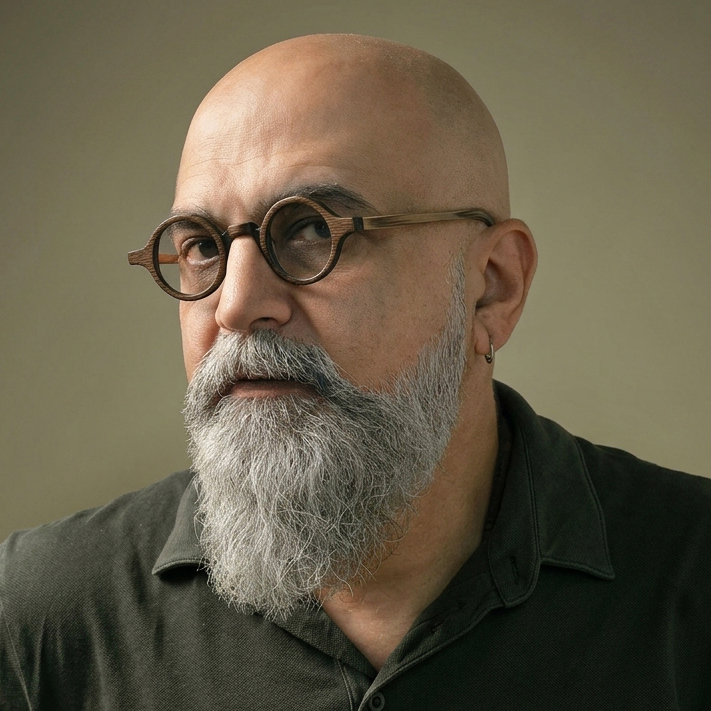
Faisal Anwar
Hybrid Artist, Curator & Immersive Art Producer
Nassir Kasuri
Director International, Beaconhouse
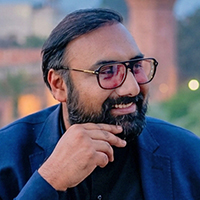
Saad Wasim
Regional Head, South Asia, University of London
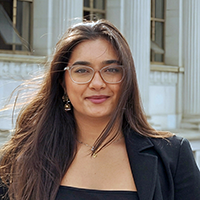
Sehr Ali Dada
Arts & Culture Advocate
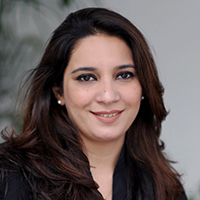
Uzma Yousuf
Country Director, Pakistan Intl. Education, Cambridge University Press & Assessment
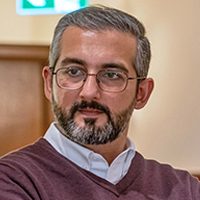
Omar Bashir Maniar
Rule of Law Expert
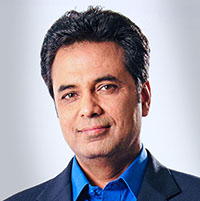
Syed Talat Hussain
Journalist & Communication Expert
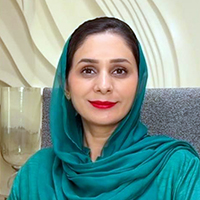
Dr Amna Usman
Aesthetic Physician & Clinical Dermatologist
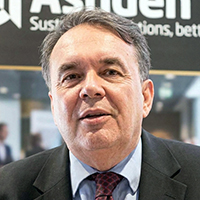
Masood Ul Mulk TI
CEO, Sarhad Rural Support Programme
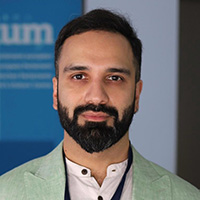
Usama Khilji
Director, Bolo Bhi
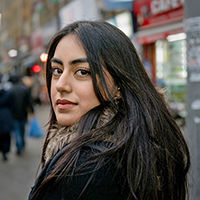
Zainab Sikander
Film & Media Researcher

Hiba Fatima
Senior Manager, Tabadlab
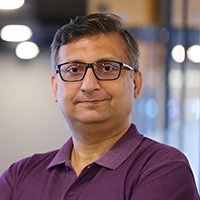
Dr Athar Osama
Founder & CEO, LITE Lab and STEMx
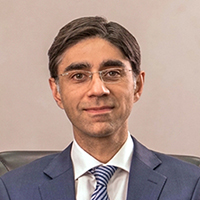
Dr Moeed Yusuf
Vice Chancellor, BNU & Former Adviser to PM on National Security

Arsalan Ihsan
Creative Lead & CEO, AMELLE
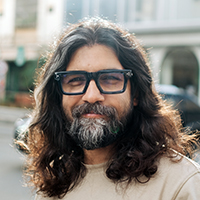
Mobeen Ansari
Photographer, Filmmaker & Visual Artist
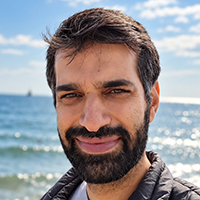
Daniyal Noorani
Founder & CEO, Wakhra Studios
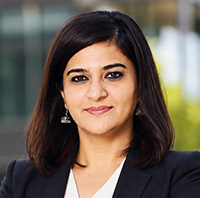
Sidra Jalil
Founder, InspireMill
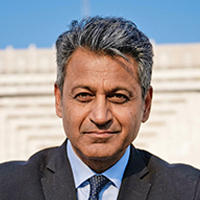
Fahd Husain TI
Journalist & Anchor
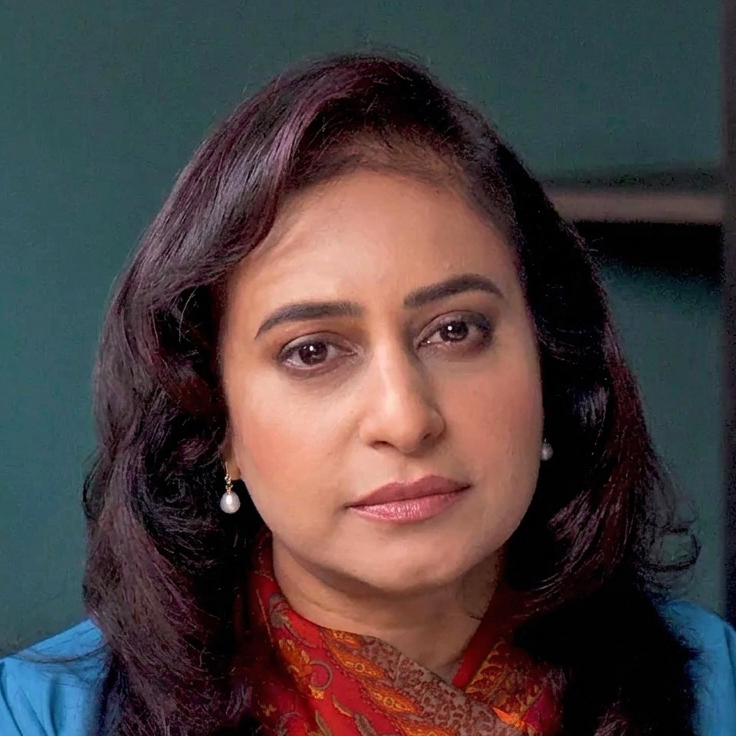
Munizae Jahangir
Broadcast Journalist & Documentary Filmmaker
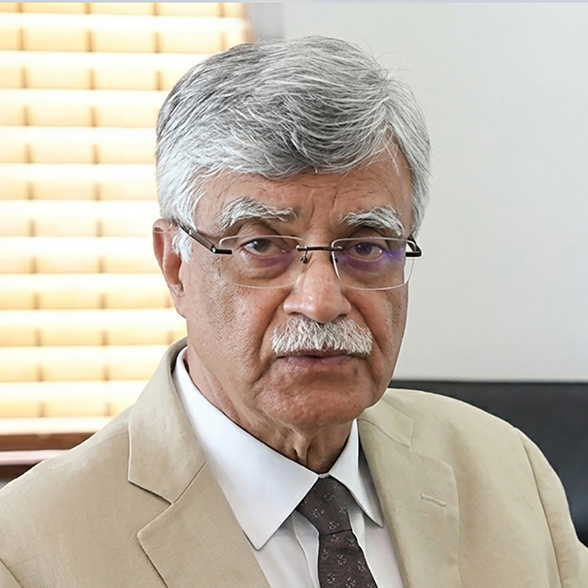
Prof Fareed A. Minhas
Founder & Director Centre for Global Mental Health Pakistan
Gulalai Khan
Faculty, Internet Governance & Tech Policy, LUMS
Meekal Jamil
Climate Strategy & Sustainability Professional
Ali Azmat
Artist
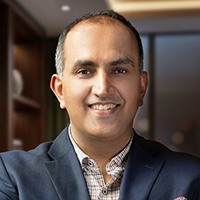
Dr Faisal Mushtaq TI
Founder & Chairman, Roots Millennium Education
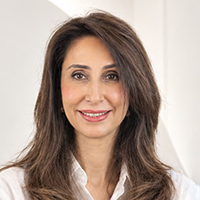
Aliya Agha
CEO, Margalla Tribune
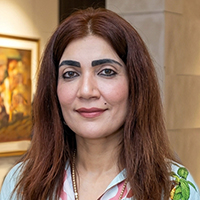
Saima Murtaza
Team Lead, Advocacy & Strat Comms EPCCD
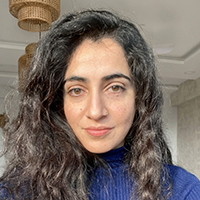
Sara Khan
DJ & Electronic Music Artist
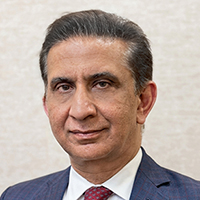
Humayun Bashir Tarar
Additional Inspector General
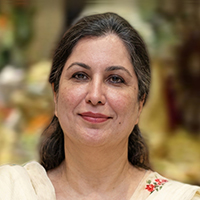
Ayesha Khan
Governance Advisor, Adam Smith International